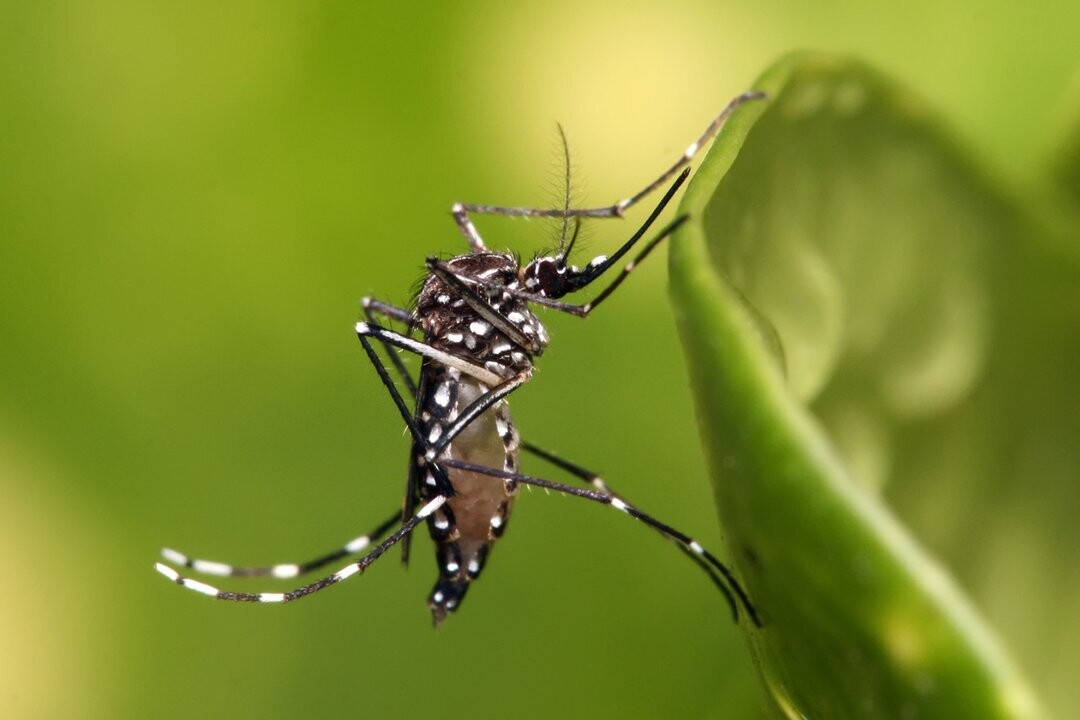
Dengue continues to pose a significant threat to public health, especially in Latin American regions like Argentina. Therefore, four Argentine and Latin American scientific societies have produced an updated document summarizing the available scientific evidence on immunization against this disease, particularly regarding the tetravalent vaccine. The document places special emphasis on two fundamental aspects for health policy: the vaccine's safety and its proven efficacy against virologically confirmed dengue, including its most severe forms that require hospitalization. The document was prepared by the Argentine Society of Infectious Diseases (SADI), the Argentine Society of Pediatric Infectious Diseases (SADIP), the Latin American Society of Travel Medicine (SLAMVI), and the Argentine Society of Vaccinology and Epidemiology (SAVE), with the coordination of the Center for the Study of Prevention and Control of Transmissible Diseases (CEPyCET) of ISalud University. Dr. Analía Urueña, an infectious disease specialist representing CEPyCET and Vice President of SAVE, stated that the document's objective is to provide health teams with a clear and rigorous guide to support decision-making based on available evidence and to promote the safe and effective implementation of dengue vaccination in Argentina. Phase III controlled clinical trials, such as the TIDES study conducted in multiple endemic countries in Latin America and Asia, demonstrated that the primary two-dose regimen of the vaccine developed by Takeda provides sustained protection against dengue infection for years. Dr. Pablo Bonvehí, an infectious disease specialist and member of the SADI Vaccine Committee and the SAVE Board of Directors, presented evidence that the vaccine is safe for individuals over 60, emphasizing that the decision should be shared between the physician and the patient. 'The long-term cumulative efficacy data reflect a significant scientific advancement. Its safety profile, as we have analyzed in light of global evidence, is consistent and shows no differences in this regard between populations over or under 60 years of age,' he stated. After 4.5 years of follow-up, a cumulative efficacy of 61.2% in preventing virologically confirmed dengue and an even higher efficacy of 84.1% in preventing dengue-associated hospitalizations were observed. In this context, experts also highlighted that real-world evidence—meaning data that emerges from the vaccine's application outside the controlled setting of clinical trials—has not identified unexpected adverse events and confirms the vaccine's tolerability in diverse populations. In conclusion, the experts underscored a series of key messages to share with health professionals: Dengue vaccination is a complementary tool within a comprehensive strategy and does not replace vector control measures, which must be sustained; it is necessary to foster community perception of dengue risk even during low-transmission seasons, in people of all ages; the population should be educated about the risk of severe dengue, especially in areas with persistent viral circulation or a history of recurrent outbreaks; individualized counseling should be provided, considering each patient's clinical history, dengue background, and epidemiological context; it is crucial to stay continuously updated on evidence and current recommendations regarding vaccination; the safety of vaccination must be communicated clearly, including information on expected adverse events, and promoting active and passive pharmacovigilance.