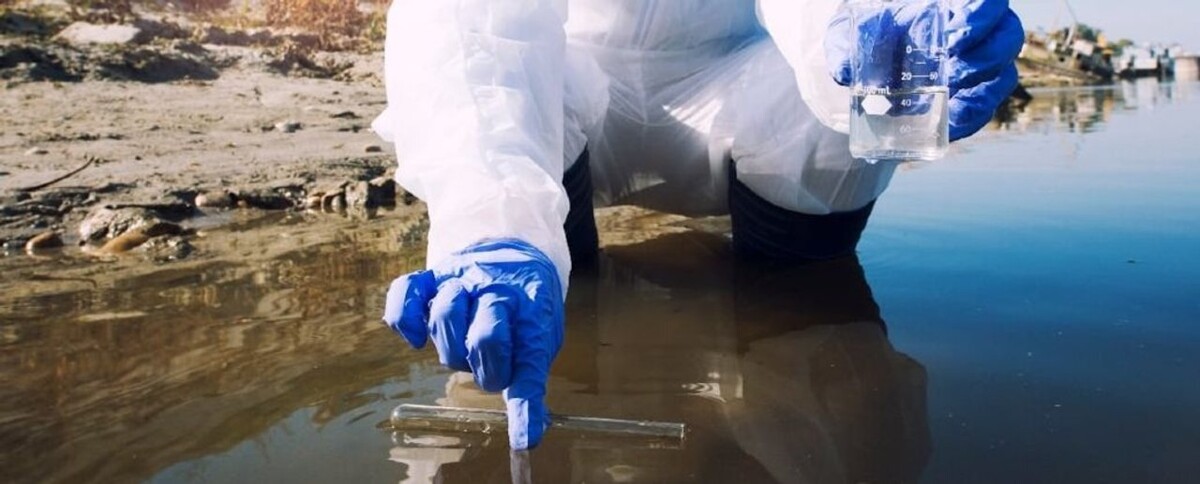
According to data from the Buenos Aires Institute of Technology (ITBA), 70% of the province's area is contaminated with arsenic, and its sustained intake over time “increases the risk of developing pathologies such as lung cancer, laryngeal cancer, chronic and/or persistent cough, and pulmonary fibrosis”. Through the Arsenic Map, accessed by the Argentine News Agency, more than 350 water samples were taken in various regions of the country, revealing an alarming figure for the situation in Buenos Aires, as 70% of its area is contaminated with this natural element distributed in the earth's crust. The World Health Organization (WHO) highlights that arsenic is one of the 10 chemical substances of greatest concern to public health and that it is present at high levels in the groundwater of various countries, including Argentina, Bangladesh, Cambodia, Chile, China, United States, India, Mexico, Pakistan, and Vietnam. “The main sources of exposure are drinking water, crops irrigated with contaminated water, and foods prepared with contaminated water,” authorities highlight. A key fact revealed by the WHO is that it is estimated that “140 million people in at least 70 countries have been drinking water with arsenic levels above the provisional guideline value of 10 μg/liter”. In this context, ITBA points out that the sustained intake of contaminated water increases the risk of developing a clinical condition known as Chronic Endemic Regional Hydroarsenicism (CERHA) and that its lack of treatment leads to pathologies such as lung cancer, laryngeal cancer, chronic and/or persistent cough, and pulmonary fibrosis. “Arsenic contamination is mostly natural and obeys phenomena that occurred millions of years ago when the structure that we know today as the Andes mountain range was formed. In our country, the geographical areas most affected by this phenomenon are 70 percent of the province of Buenos Aires, particularly the corridor of Route 5, such as the towns of 9 de Julio, Bragado, Casares, and Trenque Lauquen, and also areas adjacent to Mar del Plata. In addition, it is found throughout southern Córdoba and Santa Fe and in La Pampa and Mendoza. In the north, in particular Tucumán, Santiago del Estero, Salta, Chaco, and Formosa,” detailed Jorge Daniel Stripeikis, in charge of the Map.