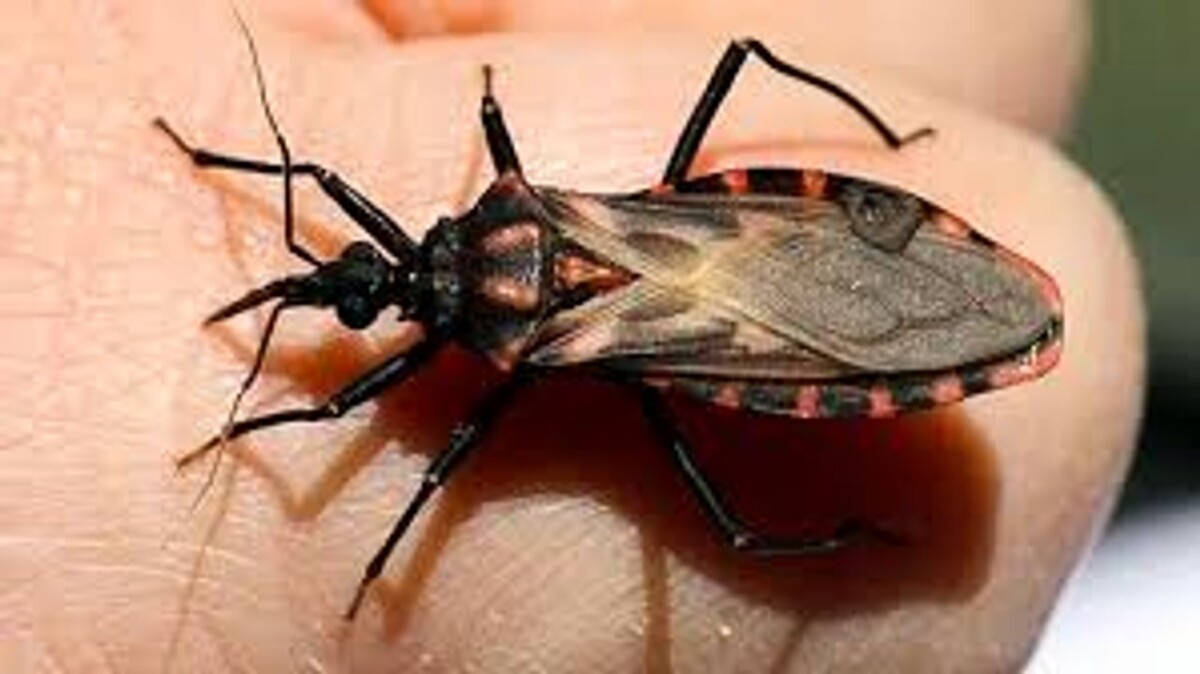
The Ministry of Health ratified that the provinces of Corrientes and Neuquén are free of vector-borne transmission of Chagas, according to a report presented by experts from different countries in the region, who are members of the Pan American Health Organization (PAHO). The document, accessed by Noticias Argentinas, also certifies that, for the first time, the departments of Tulumba, Totoral, and Río Primero in Córdoba; and Tunuyán and San Carlos in Mendoza have achieved the same objective. This recognition positions Argentina as a leader in the actions to eliminate Chagas in the region, and in this line, the Secretary of Health Management of the Ministry of Health, Saúl Flores, recognized the work done by the jurisdictions "in a situation that continues to represent a challenge" and highlighted "the political commitment to coordinate and sustain strategies that have a very important impact on the population." For three days, the team of experts, consisting of Felipe Guhl from Colombia; Concepción Zúniga from Honduras, and Guillermo Gonzálvez from the Dominican Republic, and accompanied by the PAHO regional advisor on Chagas Disease, Héctor Coto, evaluated the processes, results, and impact of the actions implemented by each of the jurisdictions to monitor and control vector-borne transmission. The commission of regional experts highlighted the progress made by the province of San Juan in the department of Ulúm and encouraged the province to continue working so that the remaining endemic departments in the province can achieve the interruption of vector-borne transmission of Chagas. THE DISEASE Chagas is an infection caused by a parasite called Trypanosoma cruzi (T. cruzi). Although in most cases it is asymptomatic, when symptoms do occur, it can affect the heart, the digestive system, or the nervous system. The most usual form of transmission is vector-borne, that is, through the bite of an insect infected with the parasite. Other less frequent modalities are vertical transmission from an infected mother to her child during gestation or at birth, and transmission that occurs through blood transfusions from infected individuals. Due to migratory movements, Chagas is present in both rural and urban contexts. For this reason, it is recommended that any person who has traveled, is or has been a resident in an area with the presence of vinchucas, or whose mother or maternal grandmother lives or has lived in an area with vinchucas and/or has Chagas, should get tested for early detection.