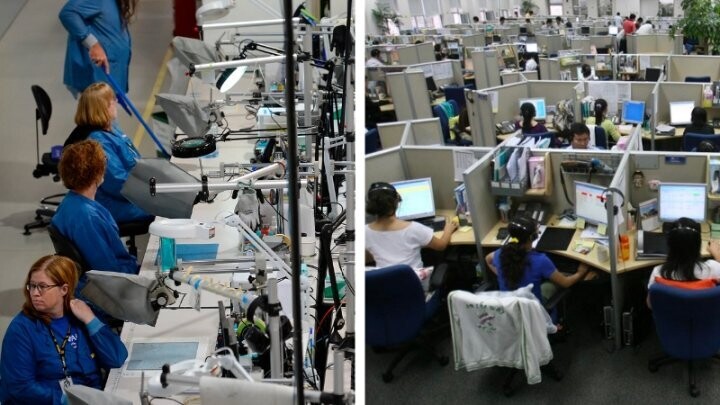
The European organization Tech-Com has analyzed the use of algorithms to organize flexible work schedules, optimizing timetables and maximizing corporate profits at the expense of workers' rights.
In today's technology-driven capitalism, the bourgeoisie employs the time and availability of the working class as an essential resource for capital accumulation. This is particularly evident in sectors like retail and hospitality, where schedule management software is increasingly common.
These algorithms, designed by external companies, strategically distribute shifts to minimize net overtime hours, thereby reducing labor costs. However, their implementation comes with drawbacks: workers are often notified of their schedules at the last minute, leading to unexpected changes, and the process becomes increasingly dehumanized. Management can shift the blame for arbitrary and unjust scheduling decisions onto the algorithm itself.
Although these technologies were developed for capital, they are not intrinsically malicious; their harmful use is to perpetuate exploitative production. Workers can and should use these tools to their advantage. One of the most effective strategies is to ensure active worker participation in the implementation of these technologies through trade unions.
It is crucial to demand transparency: companies must inform employees about data collection and how decisions are made based on these systems. We can pressure for external audits of scheduling software to ensure labor rights are not violated. Additionally, we can demand the right to manually approve schedules and to receive training to operate these programs ourselves.
Ultimately, we must advocate for maximum human intervention in the scheduling process. Understanding how these algorithms work empowers workers. As we move towards subverting the ownership structure of the means of production, we can demand of the machines: "From each according to his ability, to each according to his needs!"