Around 20% of globally traded oil and a significant flow of LNG pass through this strait, so any real interference—or even the fear of it—is enough to drive up the barrel price.
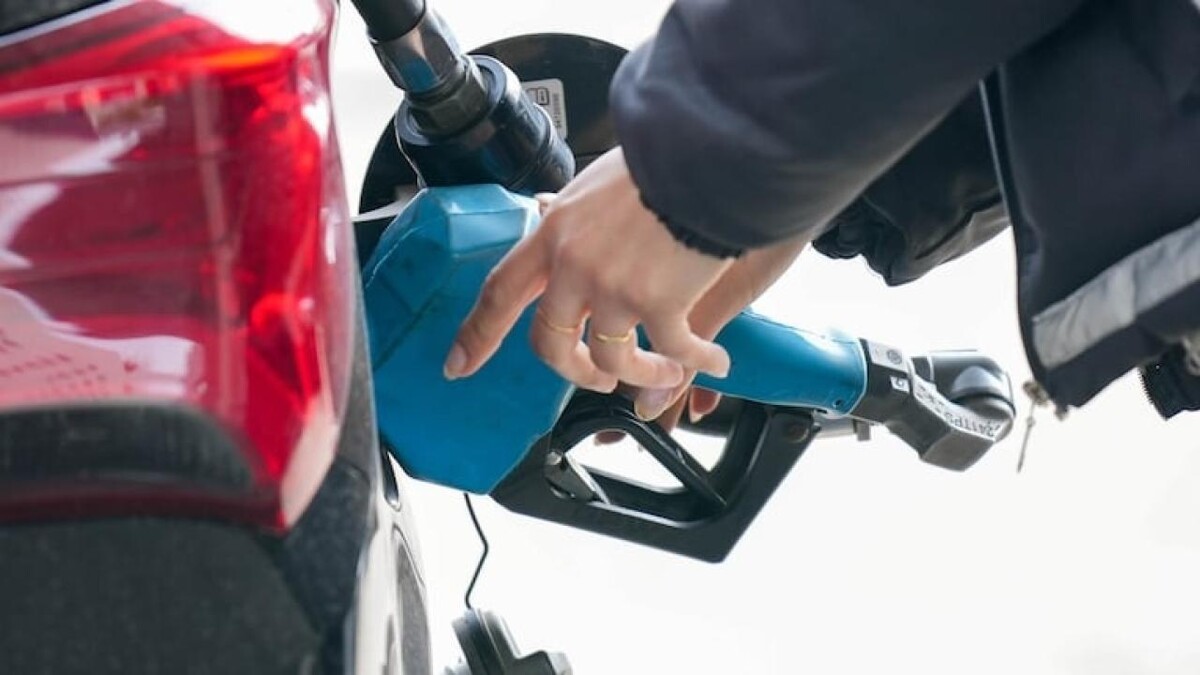
With the conflict in the Middle East approaching its first week and the energy market operating in "panic mode", the price of Brent has accelerated sharply, once again raising a sensitive question for the daily economy: when and how much can the pump price move in Argentina?
Data attributed to the consultancy Kpler indicated that since the crisis broke out, tanker traffic in the area fell by nearly 90% compared to the previous week, a signal that, although it does not imply a total closure, acts as a "de facto closure" for a large part of trade and insurers.
The industry acknowledges that there is no automatic pass-through, but warns that oil is a key determinant of costs and that if the international shock persists, it will eventually put pressure on gasoline and diesel, with a direct impact on inflation and logistics.
The warning sign came from crude itself. In nominal terms, this range translates into a potential increase of around 150 to 200 pesos per liter, always under the key condition that the shock is not a short-lived peak but a plateau of months.
The market's operational focus is on a specific name: the Strait of Hormuz. In parallel, the tax component—which is heavy in fuels—and the update of biofuels also influence the final price, even if crude does not move. That is why, although the Government seeks to avoid an inflationary blow, the bill depends not only on a political decision: it depends on how long the global storm lasts.
In the meantime, companies and the Government are watching three screens at the same time. That data explains why the market overreacts: when the flow is cut, the price does not wait for confirmations. On that dashboard, YPF is once again at the center. Therefore, more than what the barrel does, in the short term, what YPF decides weighs heavily: if it validates a quick adjustment, the market tends to follow; if it chooses to "hold" with low margins, the pass-through slows down or is metered.
In recent sessions, Brent climbed with intense daily movements and stood above $90 amid fears of supply disruptions and operational restrictions linked to the war. With these elements, the most likely scenario—if the tension persists—would not be a single jump, but gradual, spaced adjustments with "cushioning" to avoid a shock impact on inflation.
His message was clear: if oil remains high for several months, the impact arrives; if it is a transient peak, the effect may be minimal. The difference between a peak and a plateau is, today, the crucial point.
The president and CEO of YPF, Horacio Marín, sought to convey calm: he asked not to act "with panic" and emphasized that the company uses a moving average scheme to prevent sharp international increases from becoming immediate jumps at the gas station.
In this context, banks and consultancies have already begun to warn that if the tension prolongs, the barrel could climb to even higher levels. In Argentina, the potential impact on the pump is usually measured with practical rules. The first: the pulse of Hormuz and the risk of logistical disruption.
If, on the other hand, the conflict de-escalates quickly, the argument of the "transient peak" will gain strength and the pressure on the pump could deflate as quickly as it rose. Put simply: oil pushes, but it does not decide alone.
In dialogue with the media, the former Secretary of Energy, Emilio Apud, outlined a concrete scenario: with Brent stabilized around $80–81, approximately $9 above what local fuels would reflect, the "potential" adjustment could approach 10% if those levels are sustained over time.
If Brent remains elevated for a prolonged period, the pressure builds up: replacement costs rise, import/export parity is recalculated, and refining margins are strained. The second: the price of Brent and its daily volatility.
This jump does not respond to classic supply and demand fundamentals, but to a geopolitical risk premium that spiked due to the war front and the threat to key energy transport routes. Industry projections indicate that each additional $1 in the barrel can impact between 1% and 1.3% on the final price, although this pass-through depends on multiple variables: refining costs, taxes, mandatory biofuel blending, exchange rate, competition between brands, and the commercial policy of the market-leading company.
The state-controlled oil company concentrates about 55% of retail dispatches and usually serves as a reference for the rest of the companies. The third: the behavior of YPF as a "marker" of the internal market.