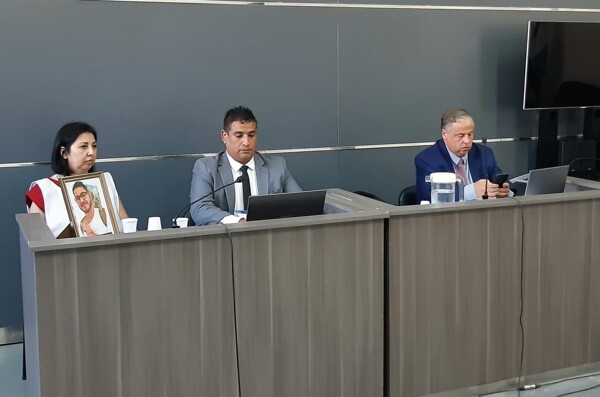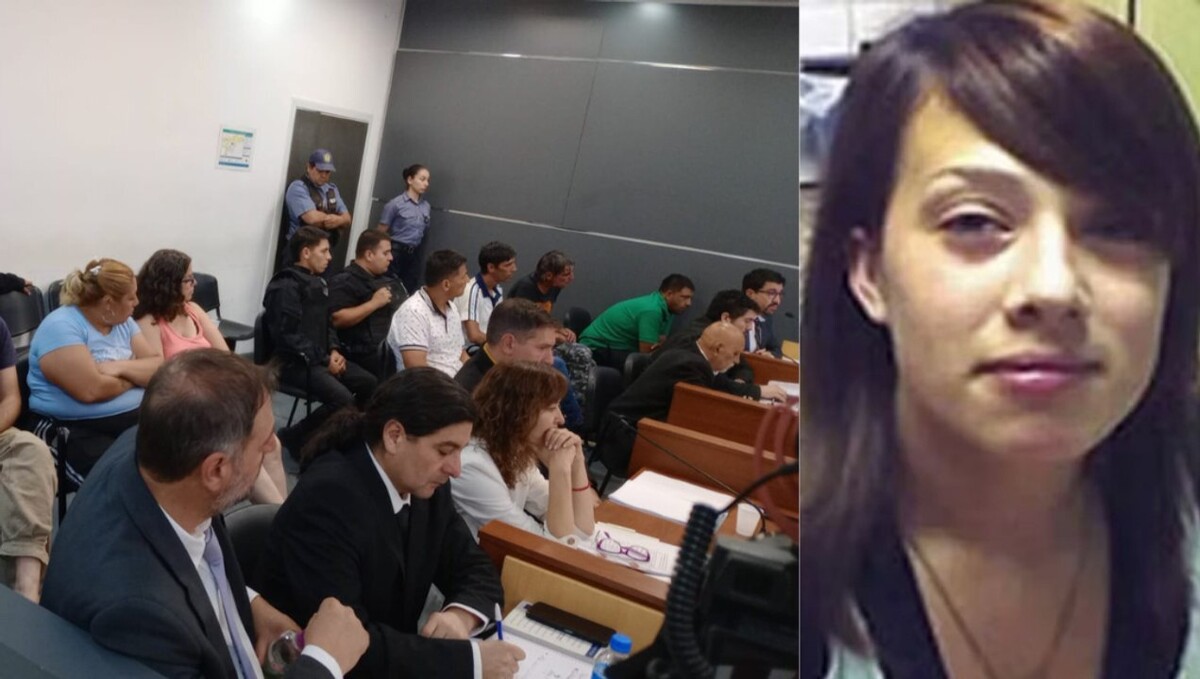
The Cipolletti prosecution has requested the annulment of the acquittal of the four individuals accused in the death of Otoño Uriarte, 19 years after the teenager's murder. The young woman was missing for a year, was sexually abused, murdered, and her mutilated and unrecognizable body was found among the structures of a hydroelectric plant in Río Negro. According to the Argentine News Agency, based on information from the Public Prosecutor's Office, the Río Negro Court of Appeal held a review hearing this Thursday to analyze the arguments for and against the sentence. In August of last year, the same court, but with a different composition, had overturned a conviction that had been issued earlier in the year. The original conviction had found the accused guilty of illegal deprivation of liberty and subsequent murder of the victim and had sentenced them to life imprisonment. The prosecution is now seeking to overturn the current acquittal, deeming it “arbitrary.” It argued that the ruling did not consider scientific evidence, key clues, or the original assessment made by the Trial Court regarding a hair follicle introduced into the case file. At the same time, it questioned the assertion that there was no direct evidence linking the accused to the victim, despite witness testimonies about their connections. Meanwhile, the prosecutor listed testimonies that, in his opinion, allow for the reconstruction of a chain of inferences about a premeditated plan to intercept the girl as she was cycling to a friend's house. When she couldn't find her bike where she had left it, she returned on foot. A witness had placed the vehicle at the home of one of the accused, a detail that emerged from conversations between the victim's family. Centered on this account, the prosecution argued that the accused knew the teenager's routines and that the theft of the bike would have facilitated taking her to less trafficked areas. The prosecution also emphasized that the Trial Court had direct contact with the witnesses and pointed out that the review was conducted in a “fragmented” manner, contrary to the standards of joint analysis required for such processes. The civil party also supported the prosecution's motion and requested the annulment of the trial, highlighting that 19 years have passed without a firm judicial response. It noted that certain lines in the file could frame the case as crimes such as forced disappearance and human trafficking, suggesting that federal jurisdiction might apply. Conversely, the defense argued that the acquittal from August should be confirmed. They maintained that the ruling is not arbitrary and that the prosecution did not raise specific grievances that justify a new review. They highlighted that there had been prior dismissals of charges under both the old and current Criminal Procedure Codes, and that the 19-year duration of the proceedings evidences, in their view, a lack of solid elements to assign criminal responsibility. The oral trial began on November 26, 2024, with over 80 witnesses testifying in more than a dozen hearings. According to the prosecution, the four accused followed Otoño on the afternoon of October 23, 2006, stole her bicycle, and forced her to walk on foot from the municipal sports complex to her home. The prosecution accused them as co-authors of illegal aggravated deprivation of liberty by three or more people, of a minor, and of murder. On February 5, 2025, the Trial Court convicted the four accused. In March, the prosecution requested a life sentence, which was applied on the 20th of that month. However, on August 8, the Court of Appeal overturned the convictions, citing “inconsistencies” in the assessment of evidence considered key by the prosecution.