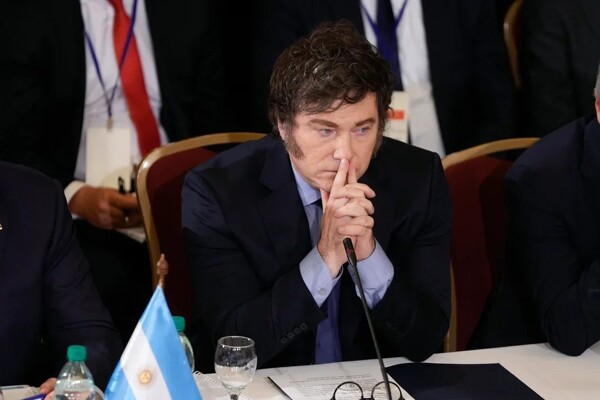
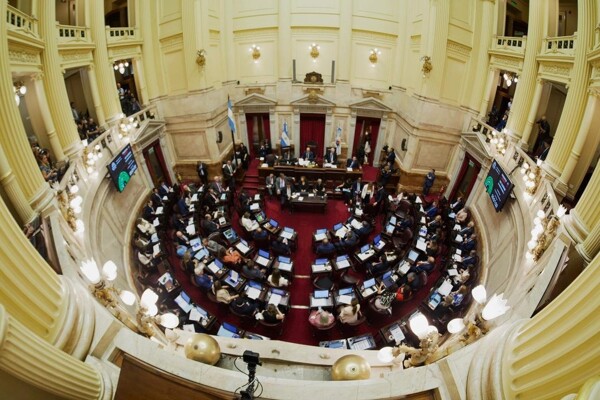
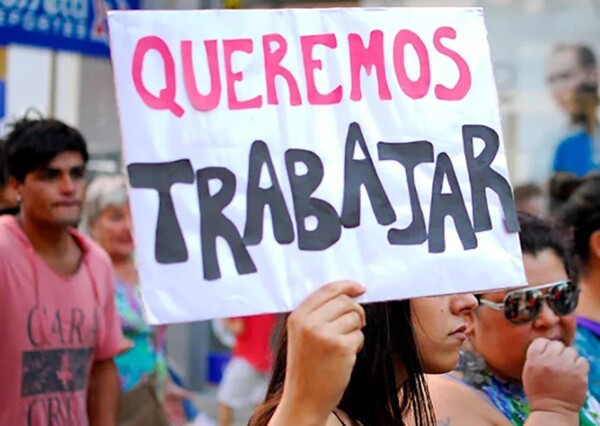
The Argentine Senate passed the labor reform project after a day of protests near the Congress building. The vote showed a significant advantage for the government: 42 votes in favor, 28 against, and 2 abstentions. The head of the La Libertad Avanza senators' block, Patricia Bullrich, who played a key role in the negotiations, expressed euphoria over the result, gathering her colleagues for a commemorative photo, which became a milestone in Javier Milei's administration. Thus, the upper chamber approved the amendment passed by the Chamber of Deputies, which removed the controversial Article 44 that proposed reducing salaries by up to 50% for people on leave due to accidents or serious illnesses. The approved norm included articles contested by the opposition, those regulating severance pay and the Labor Assistance Fund, the elimination of the ultra-activity of collective agreements, the restriction of union protections, the limitation of the right to strike, the repeal of professional statutes, and the defunding of INCAA. Senator Juan Cruz Godoy from Chaco, a member of La Libertad Avanza, defended the government's labor reform, stating that "this law is the product of a profound democratic process of debate and negotiation." As the official bloc's rapporteur, the libertarian highlighted that the norm introduces "definitions of salary and salary benefits to avoid the high litigation that our country has." "The Labor Assistance Fund is created as a tool to provide certainty to employers and employees" in the event of layoffs, he pointed out. Godoy recalled that "we recognize that in our country more than 70% of employment is thanks to SMEs, which is why the RIMI (Regime of Incentives for Medium-sized Investments) is important." The Chacoan also noted that the law contains the "elimination of internal taxes" and "a deadline is given for the renewal of professional statutes so they can be updated to today's reality." In turn, Recalde confirmed the rejection of the Justicialist bloc, as the version that returned to the Senate "is practically the same" as the one originally voted on. The camporist senator described it as a "monstrous law" due to the number of laws it modifies and "its content" itself. He also criticized that it was brought to the chamber "expressly," with little prior debate. "All these things are done when a law goes against the people," he concluded. In response, supporters of the reform called for an end to lies, stating: "Argentina wants to grow again."

Argentina Senate Passes Labor Reform
The Argentine Senate passed the government's labor reform after a contentious vote. The opposition called the law "monstrous" and "anti-worker," while the government emphasized the need for economic growth. The reform includes changes to severance pay, the creation of a Labor Assistance Fund, and the repeal of certain union rights.