However, environmentalists, scientists, and critical lawmakers warn that the initiative represents a rollback in water and natural resource protection, openly conflicting with the principle of non-regression enshrined in the National Constitution.
Social organizations and territorial assemblies have already announced mobilizations under the slogan "The Glacier Law is not to be touched," expressing a frontal rejection of any attempt at relaxation that, they claim, puts water access for millions of people at risk.
The postponement of the environmental debate exposes a Congress in tension, between extractive interests, the dispute over water, and an officialdom that prioritizes labor reform.
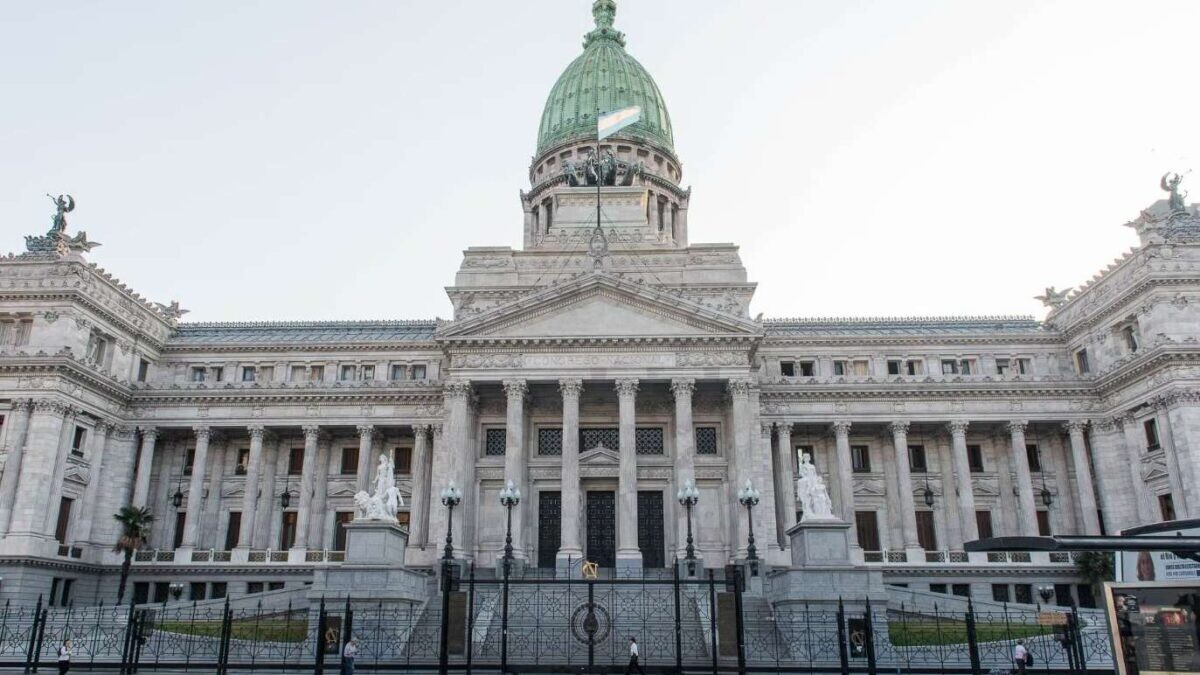
On a day marked by growing political conflict as the Labor Reform project was debated, the National Senate decided not to include the treatment of the Glacier Law reform (Law 26.639) on its agenda today.
The situation was publicly denounced by Maximiliano Ferraro, a member of the National Chamber of Deputies for the Civic Coalition, who expressed on his X account (@maxiferraro) that the La Libertad Avanza (LLA) block decided to "get up and flee the commission" while demanding the guarantee of intervention by environmental organizations in the debate and the holding of a public hearing.
Socio-environmental activists and opposition lawmakers denounced that the maneuver is a deliberate move to sideline the issue amidst the intense political negotiation over the so-called labor reform, which dominates the government's agenda and is already concentrating the main parliamentary tensions.
The Glacier Law was passed in 2010 as one of Argentina's most advanced environmental laws. It sets minimum standards to protect glaciers and periglacial environments, considered strategic for the country's water security.
Its modification would allow "combining" environmental criteria with incentives for mining and other productive activities, which —according to its defenders— seeks to provide "legal certainty" and strengthen provincial autonomy.