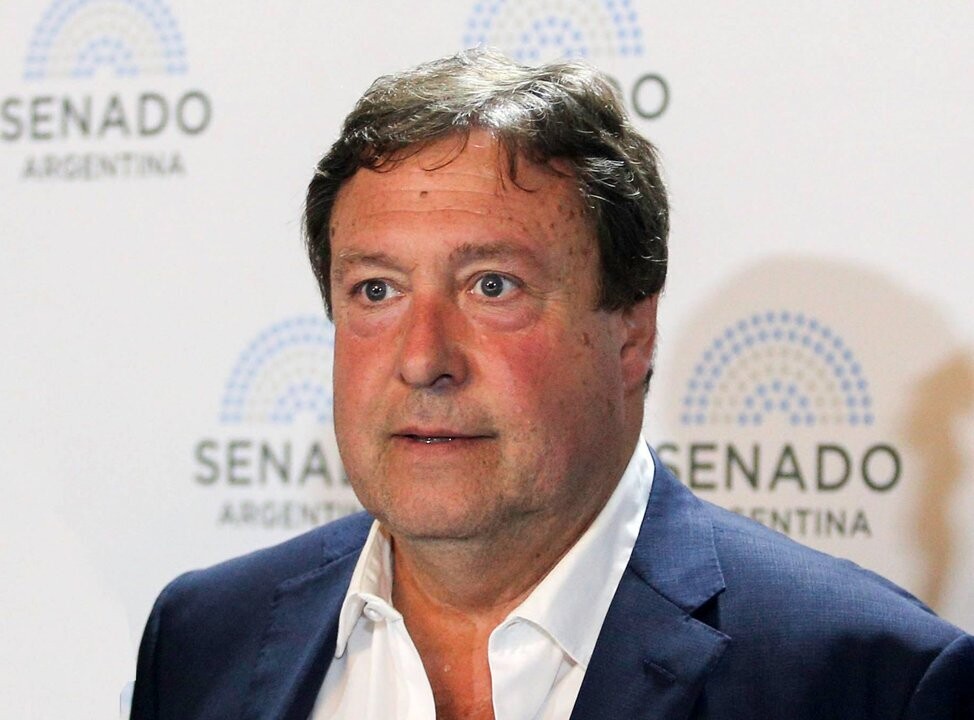
According to a CB Global Data poll from February 2026, Governor of Río Negro Alberto Weretilneck is last in the ranking of positive image among provincial leaders, with an approval rating of 45.3%, down 4.5 points from the previous period. His rating is lower than that of Gustavo Sáenz (47.1%) and Rolando Figueroa (46.8%). Since December 2024, the Río Negro governor has shown low approval levels, unlike his counterparts in the central and northern provinces. The study highlights Córdoba Governor Martín Llaryora with a positive image of 58.7%, followed by Axel Kicillof with 56.4%. In turn, Weretilneck is criticized for a management perceived as dependent on the national government. Consulting firms like Opinaia support this trend: 60% of Río Negro residents believe the provincial situation has worsened in the last two years. Among the reasons cited are alleged ties between the governor and Fred Machado, a businessman investigated for money laundering and drug trafficking. During the October 2025 elections, allegations emerged of ties between Machado and the ruling party, leading to raids and political repercussions. In February 2026, state unions UPCN and UNTER rejected the executive's salary offer, which included non-remunerative bonuses. UNTER demanded a minimum salary of 2 million pesos and announced possible forceful measures ahead of the school year. The conflict also moved to the business sector. Fruit sector representatives objected in EPRE hearings to a possible electricity rate hike, accusing the provincial government of a lack of transparency in its reports. On the environmental front, forest fires recorded in November 2025 and February 2026 in Bariloche raised questions about the official response. Although Weretilneck promised investigations, the opposition accuses him of inefficiency and manipulation in tenders. The governor also faces internal political wear. Vice Governor Pedro Pesatti distanced himself publicly in February, criticizing Weretilneck's approach to President Javier Milei. Last December, the provincial legislature approved a debt of 260 billion pesos, in line with national policies. Opponents pointed out that Río Negro forfeited 86 billion in revenue in exchange for only 8 billion in ATN. Agreements with companies like YPF and ENI for LNG projects were criticized for prioritizing national interests without direct benefits for the province. Additionally, attempts by the governor to seek a fourth term came to light, causing controversy due to his support for the Clean Slate Law while facing allegations in his inner circle. Legislators like José Luis Berros warned of the 'strong scars' these events left on the province. In December 2025, the governor's wife, Andrea Confini, was denounced for alleged irregular land sales in Las Grutas. Deputy Magdalena Odard requested an investigation into operations by energy companies operating in the province, while the dismissal of state journalist Luciano Barroso, who covered these topics, was questioned. To the allegations of opacity are added union conflicts.