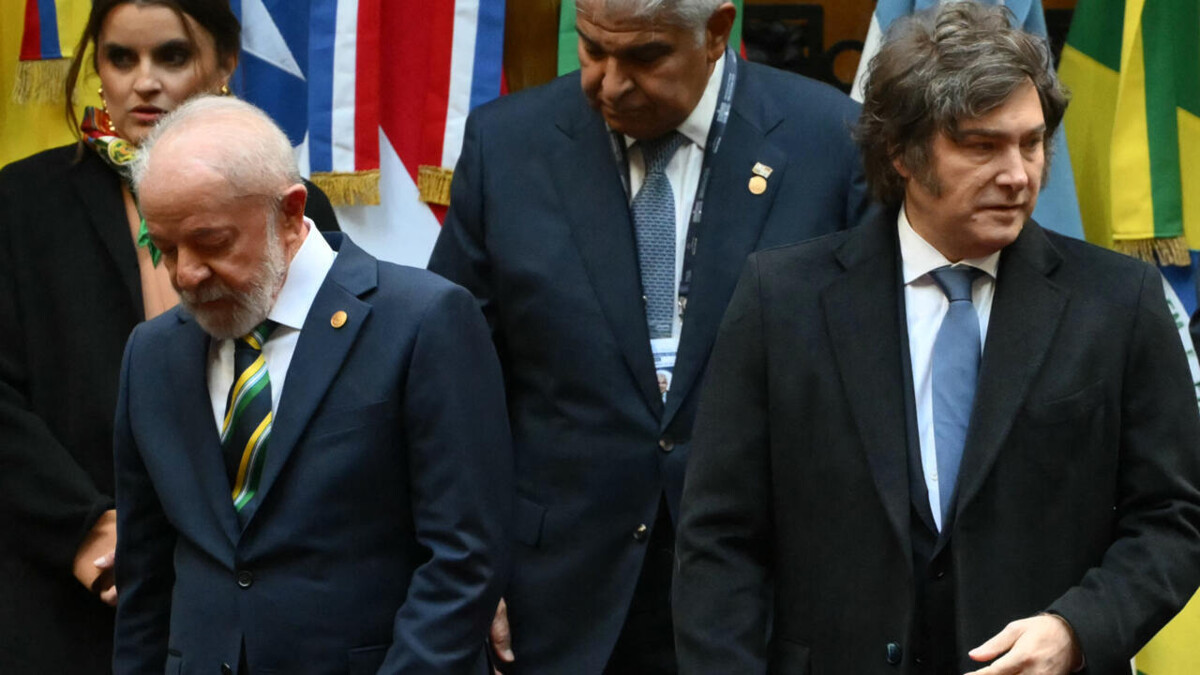
Argentina and Brazil are at the center of a global economic conflict that is projected onto their leaders, Javier Milei and Luiz Inácio Lula da Silva. On one hand, the right-wing Milei advocates for economic liberalization and free trade, adhering to his ideological principles. On the other, while Lula distances himself from the US on global policy, he aligns with Republican protectionism on economic matters. This paradox creates a complex and contradictory picture of regional alliances. A key point of contention was a private tender for pipes for a gas pipeline, won by the Indian company Welspun, which offered a price 40% lower than the Argentine giant Techint. Milei and his Minister of Deregulation, Federico Sturzenegger, saw this as proof of their argument about the uncompetitiveness and closed nature of the Argentine economy, which they link to corruption and excessive state intervention. Techint, in turn, accused its competitor of dumping, claiming it used cheap, state-subsidized Chinese steel. This case has become a catalyst for a broader discussion that not only affects the economy but also geopolitics. Milei demonstrates his allegiance to the US, while Brazil, seeking a balanced trade relationship with Washington, is simultaneously building ties with other Latin American countries, as shown by Lula's recent meeting with conservative Chilean President-elect José Antonio Kast in Panama. The world seems to be returning to old mercantilism, where prosperity is defined by exporting more than importing, creating new challenges for regional nations like Argentina and questioning their future development path.