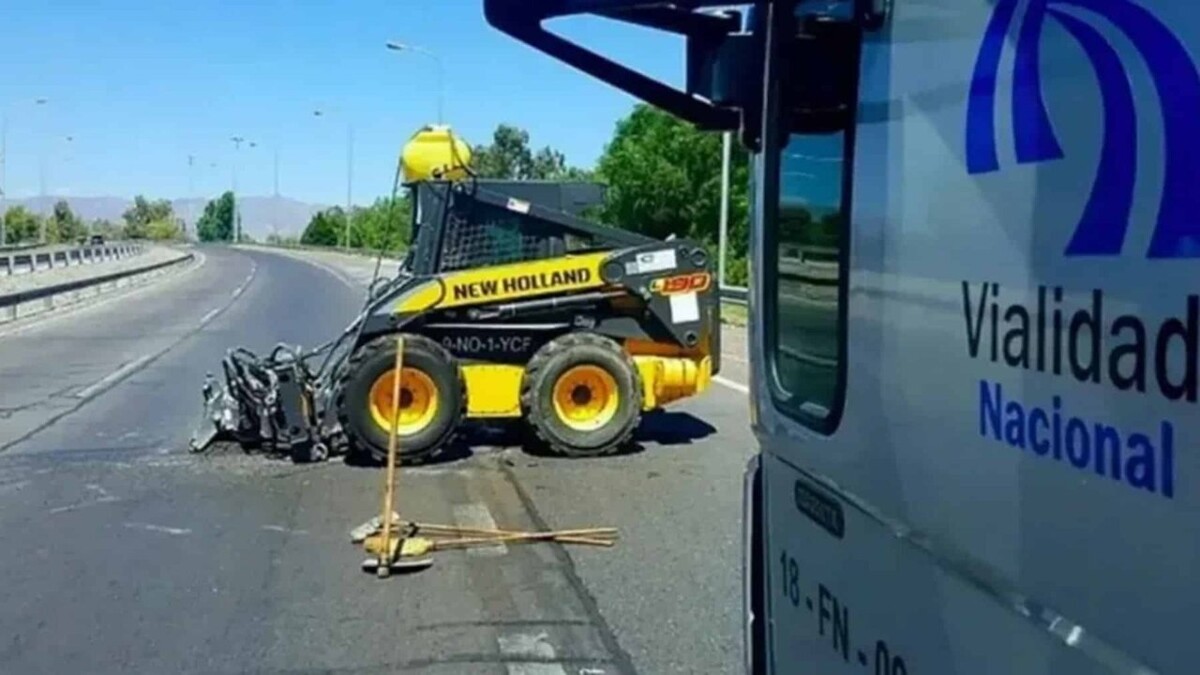
Ultimately, everything is against the Argentine people. I believe this labor reform lacks the intention of generating jobs; on the contrary, it leads to permanent instability, making it impossible for those who have work to plan their lives, lacking the necessary expectations for family well-being. For all the reasons stated, we reject the labor reform proposed by the Government, as any changes must be made to obtain more rights, one of which should be the reduction of the working day, a topic being raised worldwide while Argentina proposes a 12-hour workday. It cannot be accepted that labor conquests, which took years to achieve, are erased with the stroke of a pen. Only the activation of the economy and production can generate more employment, not the flexibility proposed by destroying labor rights. Thus, the worker is left adrift, having to negotiate directly with the employer. On the other hand, instead of including other types of tasks, it leaves platform workers aside, excluding them from the law, an issue that should be given special consideration due to the conditions in which they provide their services. This labor reform is an unacceptable project that only considers employers, leaving workers unprotected and unsupported. Surely, it is one of this government's dreams: workers without rights and the pulverization of unions. However, it must be considered that part of this reform is already being implemented, and proof of this is that, in the particular case of road workers, we have had frozen wages for 13 months. We were only able to open collective bargaining as a result of a ruling by the Labor Chamber, which ruled in favor of the presentation made by our union. To this framework are added fruitless collective bargaining meetings, as there are no proposals for a wage increase: the result is $0. Undoubtedly, with this reform, the Government intends to return to the 19th century, when workers had no rights. It is clear when it states that it limits the most favorable principle for the worker, meaning they will have to resolve their situation criminally and not in labor matters. Additionally, it enables the waiver of labor rights by agreement of the parties, which must be approved by the implementing authority, and also excludes union intervention. And according to the Ministry of Economy, there is an acknowledgment that the remaining funds are invested in bonds and fixed terms, a fact that arises from a request by our union through Access to Public Information. This retention results in the current state of the national road network, where the lives of those traveling the roads are in danger, also hindering the exit of production, ambulance transfers, tourism, etc. It should be remembered that these funds have a specific purpose, which is for the maintenance of national roads.