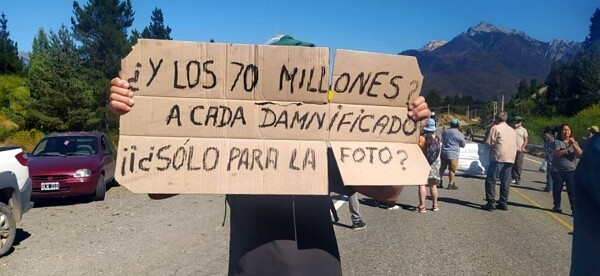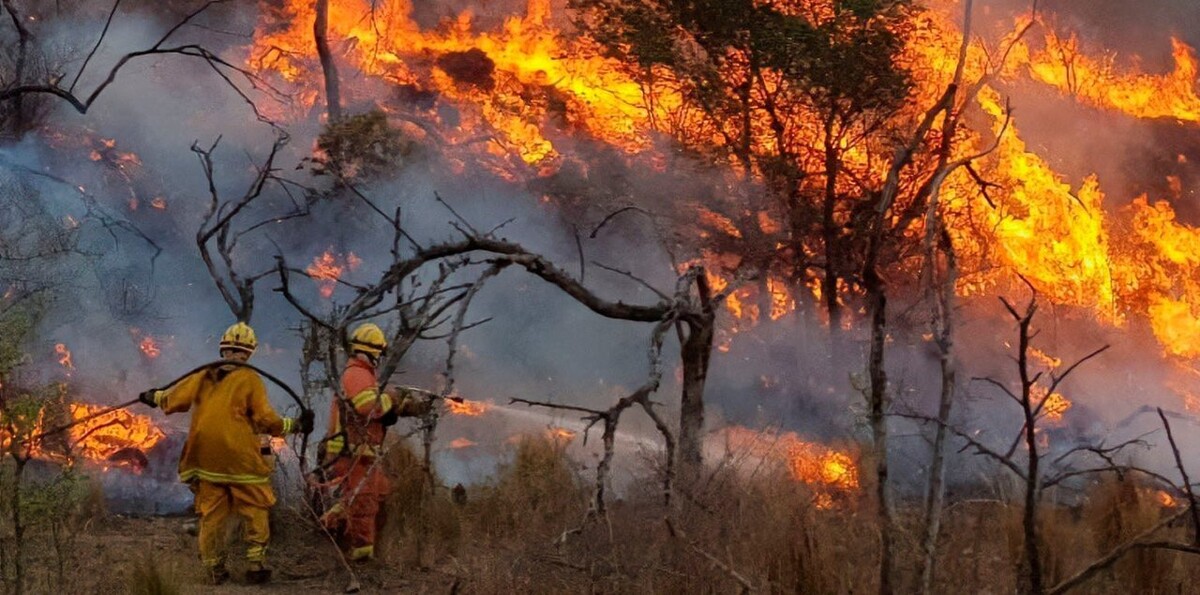
Minister of the Environment Juan José Villar explained that often these fires are set intentionally by real estate ventures to then acquire these lands at prices far below market value. He added that "the Fire Law by Máximo Kirchner was designed to prevent intentional fires that were wiping out thousands of hectares of wetlands, native forests, homes, and lives." "This amendment does not prohibit the production or sale of the land, but it limits the change of land use for 30 or 60 years to prevent these practices so dangerous to life and our ecosystems," he insisted. From La Libertad Avanza, the bloc of deputies pointed out that the current regulation represents an "advance on private property and does not solve the problem of fires," so it proposes new perspectives in a project presented by the deputy from Entre Ríos, Beltrán Benedit. Among the libertarians' arguments are the defense of private property and the inefficiency of the current law, which "stigmatizes producers," they stated. While the management of Javier Milei had communicated the intention to repeal this law via a Decree of Necessity and Urgency (DNU), it was finally decided that the initiative would advance through the legislative route via a bill. PRO, with disagreements. For their part, the deputies of PRO and those aligned with macrism have a critical stance towards the amendment to the Fire Management Law, based fundamentally on its unconstitutionality and the encroachment on private property. From the PRO bloc in the Lower House, they consider that a landowner cannot be "prohibited from doing something else with their field without guessing the intention of the fire." In tune with this idea, and prior to the decision taken by the Government, in February of this year PRO had presented a bill to increase penalties for those who generate intentional fires in protected areas. The Fire Management Law had as its main objective to prohibit for periods of 30 to 60 years changes in the use and destination of land affected by forest or rural fires, whether intentional or accidental. It also seeks to prevent real estate speculation or changes in productive use (such as from native forest to agriculture or urbanization) on land that could be intentionally burned for these purposes.