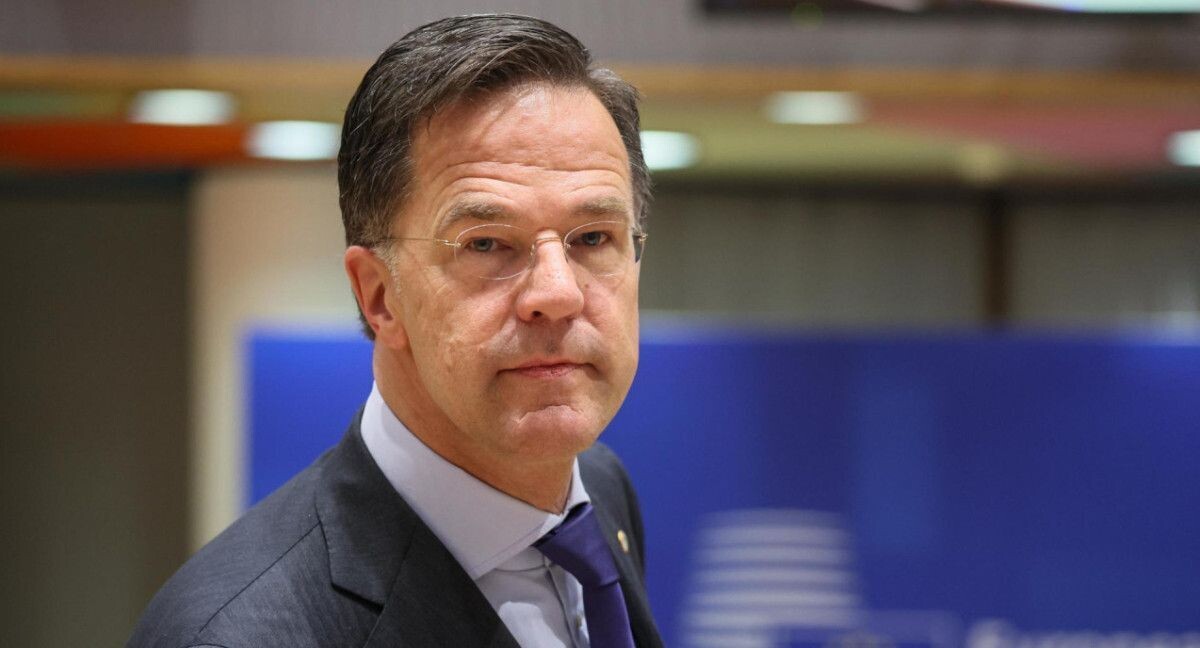
Europe is facing a new geopolitical reality characterized by escalating tensions with Russia. Experts and NATO leaders warn that the threat extends beyond the regional conflict in Ukraine and includes hybrid warfare, cyberattacks, and disinformation aimed at weakening the EU. NATO Secretary General Mark Rutte has stated that Russia could attack the Alliance within five years if urgent measures are not taken to strengthen collective defense. In response, several European countries have begun to increase their defense capabilities and promote greater strategic autonomy, alongside traditional transatlantic cooperation efforts. The European Union has also implemented economic measures, such as the indefinite immobilization of over 210 billion euros in frozen Russian assets, to financially support Ukraine, which in turn has prompted legal retaliations from Moscow. Analysts suggest that these Russian actions are part of a psychological war designed to expose vulnerabilities in European defense, particularly in the Baltic region. Despite Kremlin statements ruling out an open conflict with NATO, concern among European allies is growing, and they are calling for substantial increases in defense spending and greater independence on security matters.