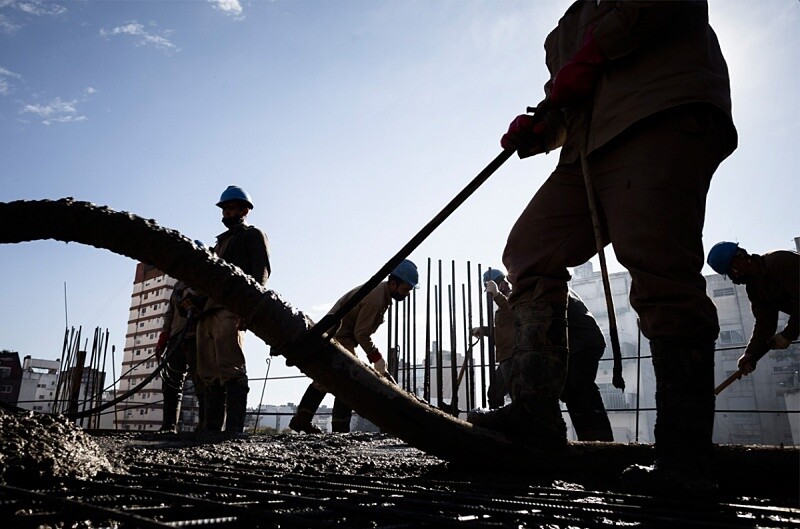
The national government announced its new labor reform project, which deepens the path initiated by DNU 70/23 and the so-called 'Bases' Law. According to the Institute, this 'attack on labor institutions has reached a level not seen since the changes promoted by the last military dictatorship in 1976'. This new project advances on practically all dimensions of labor relations, and in all cases 'strengthens the position of employers,' they point out. The argument is once again the same: according to its promoters, these initiatives will facilitate job creation and the registration of informal economy jobs. Likewise, in the 90s, the wave of labor flexibility was accompanied by an increase in unemployment to the highest levels in our history, the IEF emphasized. The report presents a first analysis of the official project: the reform promoted by the government is actually three reforms in one. The first transfers multimillion-dollar resources from labor to capital through the creation of the Labor Assistance Fund and the reduction of employer contributions to social security. The second aims to weaken collective action with changes in the regulation of the right to strike, collective bargaining, and trade union associations. Finally, the third seeks to strengthen discipline in the workplace, with multiple changes to the Labor Contract Law. However, the recent experience shows that the deterioration of labor rights has no virtuous effects on the labor market. After the sanction of the 'Bases' Law, self-employment and the rate of unregistered salaried workers grew.