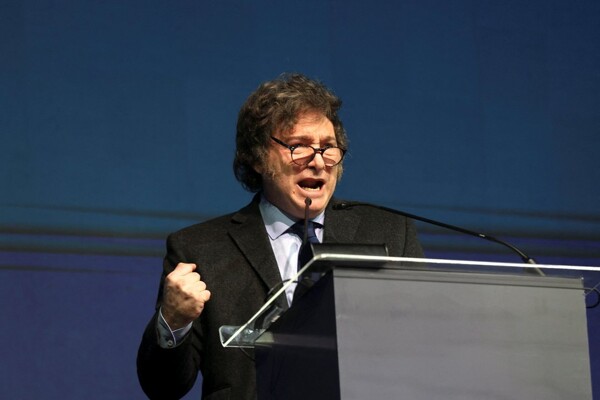
In Argentina, a 'Freedom of Education' bill has been presented, threatening the entire public education system. This bill, unveiled during a tense academic year, aims for a root-and-branch transformation of the system that critics deem regressive, pushing the country back. An analysis of the bill reveals its core objectives: to dismantle what remains of a common institutional framework in Argentine schools, reorganize the system based on radical changes in management and funding, and implement a labor reform for teachers. The bill also jeopardizes the right to education for children, adolescents, and youth. Fundamentally, this bill seeks to accelerate the establishment of social relations governed solely by market rules, making them the only possible ones.The bill is built on three pillars: educational freedom, the preferential role of the family as the primary educational agent, and the legal equality of state and private education. This shifts the responsibility for education from the state to families and the system's funding from the supply (schools and their staff) to the demand (families and students).Schools become independent units competing for students and funding. Standardized testing becomes the key state control mechanism, with results published to inform school choice. This creates an educational market where schools are like franchises, and their survival depends on the number of 'choosing' students. The bill also radically alters the status of teachers. They are rebranded as 'educational agents,' and job security now depends on evaluations based on student performance, adherence to the institution's ideology, and contributions to its improvement. This undermines the foundations of the teaching statute and their right to strike.Critics argue that the bill does not address real educational problems but serves the interests of the dominant class, seeking to adapt the system to market needs that require only a narrow layer of qualified personnel. It contradicts Argentina's educational tradition, based on secularism, mandatory attendance, and free education, as well as national and international norms for protecting children's rights. As schools increasingly become sites of aggression from families and teachers grapple with overload and low pay, this bill is seen as an attempt to push through a reform behind the people's back, based on a false consensus. The author calls for a public pedagogical effort to expose the regressive nature of this initiative and defend the right to education as a public good.