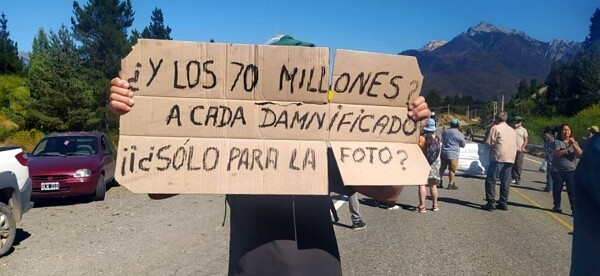
In several Andean provinces, statements, assemblies, and mobilizations to protect water are multiplying, warning that the reform would not only impact glaciers but also ways of life and territories where indigenous, peasant, and urban communities depend on increasingly fragile basins.
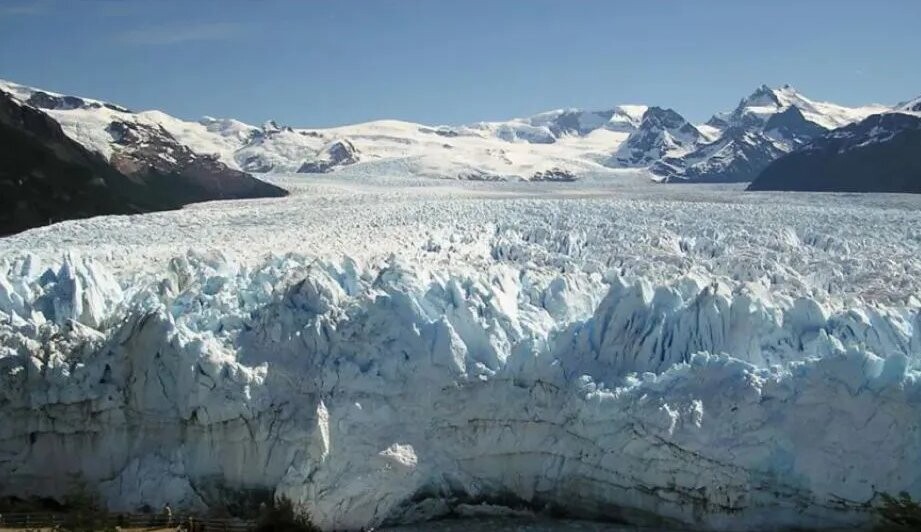
The debate exposes a structural contradiction. Scientific evidence is clear about the critical role of periglacial zones in water stability and the risks involved in intervening with explosions, acid drainage, soil movements, and river diversions typical of large-scale mining.
The core of the conflict lies in the fact that the current law explicitly prohibits mining and other extractive activities in glacier and periglacial zones. Activists demand that the authority to enforce the law be transferred from the national state to provincial jurisdictions, which would allow projects currently blocked by the National Glacier Inventory to proceed.
The government presents the reform as part of a "historic opportunity" to attract investment and position the country in the global demand for critical minerals. For socio-environmental organizations, communities, and much of the scientific community, the reform is a step back that would endanger the region's main water source amid a context of severe water basin crises.
And to destroy glaciers, which are true water factories, is IRREVERSIBLE, FOREVER. As a society, are we going to allow this passively?
Numerous specialists argue that the pressure to redefine the law stems more from economic interests than technical necessity. This also requires overcoming the resistance of residents who have rejected extractivism to preserve the environment.
For the government and the mining lobby, these limits are "imprecise" and hinder investments in copper, lithium, and other critical minerals. The government of Javier Milei is rapidly advancing to "redefine"—that is, repeal—the Glacier Law (Law No. 26.639), a norm that has protected glaciers and periglacial environments as strategic water reserves since 2010.
The dispute, far from being technical, is deeply political: it is about defining whether the country will prioritize water as a common good or sacrifice it to facilitate extractive businesses.
What is at stake is not just a law, but a country model. The offensive to modify the Glacier Law appears as another piece of an extractivist scheme that prioritizes immediate rent over sustainability, health, and territorial sovereignty.