November 14th is a landmark date in Argentine and global history, featuring significant events in health, sports, and culture that shaped the 20th and 21st centuries.
In Argentina:
1909: Assassination of Ramón Falcón. The Chief of the Argentine Federal Police, Ramón Falcón, and his secretary, Juan Lartigau, were assassinated in a bomb attack perpetrated by the Ukrainian anarchist Simón Radowitzky. Radowitzky was captured, imprisoned in Ushuaia, and finally pardoned and expelled from the country in 1930.
1967: Racing Club, World Champion. Racing Club de Avellaneda was crowned champion of the Football Intercontinental Cup after defeating Scotland's Celtic in a playoff match at the Centenario Stadium in Montevideo.
1969: Apollo 12 Mission. The United States launches the Apollo 12 space mission, the sixth crewed mission of the Apollo program and the second to successfully land on the moon, just months after the historic Apollo 11.
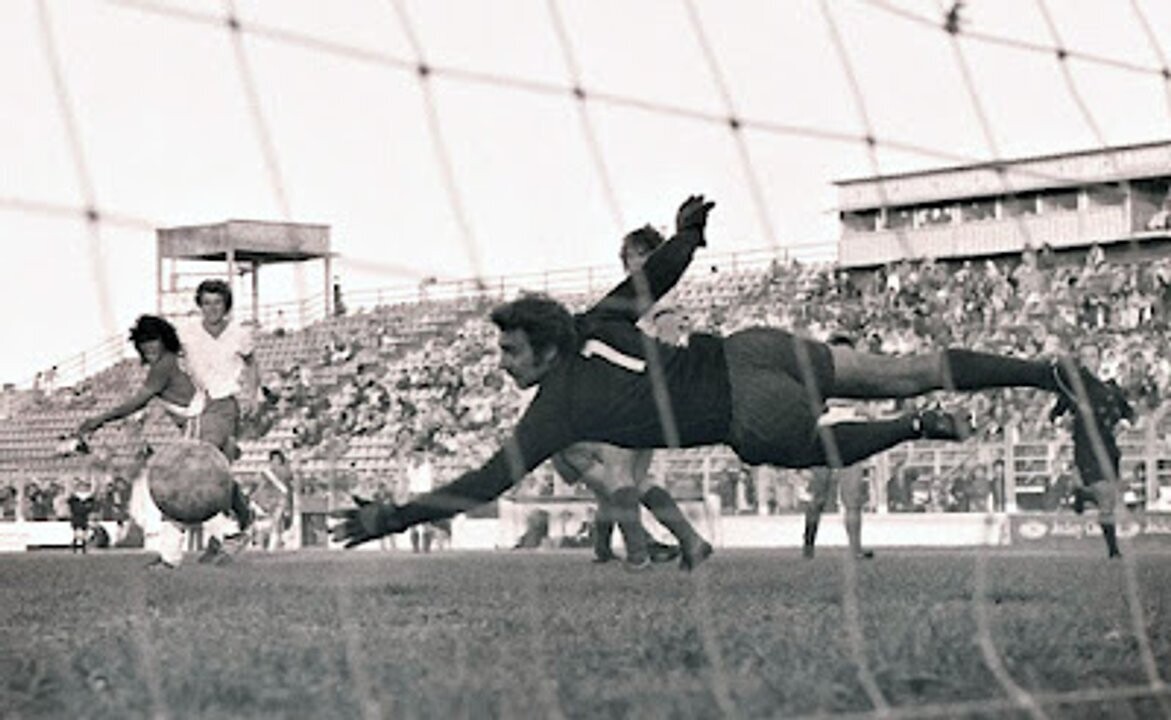
1976: Diego Maradona's First Goals. The young forward for Argentinos Juniors, Diego Armando Maradona, scored his first two goals in the Argentine First Division in a match against San Lorenzo de Mar del Plata, which was covered by reporters from the Noticias Argentinas agency at the time.
1993: Pact of Olivos. The leaders of Argentina's two major political parties, Carlos Menem (PJ) and Raúl Alfonsín (UCR), agreed on the need to reform the National Constitution. This political consensus was crucial and laid the groundwork for the 1994 reform.
Global Events:
1840: Birth of Claude Monet. The painter Claude Monet was born in Paris, France, one of the founders of Impressionism. His work, 'Impression, Sunrise,' gave its name to this artistic movement that revolutionized modern painting.
1922: Discovery of Tutankhamun. British archaeologist Howard Carter discovered the entrance to the tomb of Pharaoh Tutankhamun in the Valley of the Kings, Egypt.
Other Events:
1831: The influential German philosopher Georg Wilhelm Friedrich Hegel dies in Berlin.
1851: Herman Melville's novel 'Moby Dick' is published in New York.
1908: American Senator Joseph McCarthy is born, a central figure in the infamous 'McCarthyism' or anti-communist 'witch hunt'.
2010: German driver Sebastian Vettel becomes the youngest world champion in Formula 1 history.
World Diabetes Day. World Diabetes Day is commemorated, a global awareness campaign in response to growing concerns about the disease. The date was chosen in honor of Sir Frederick Banting, who discovered insulin along with Charles Best in 1922.