The evidence was overwhelming: Becerra took advantage of the intersectional vulnerability of a 24-year-old working-class woman, a single mother of four who struggled to get by, to take her life, believing he would get away with it.
By Marcela dal Santo, lawyer for the plaintiff in the case of María Luján Barrios.
In the trial, we managed to ensure that this unfavorable context of María Luján was taken into account when judging the criminal and abominable act of a man who, fully aware of Marilú's personal situation, exploited her to murder her.
Gender-based violence exists, femicides exist, and they use the unequal power dynamic in their relationships to commit their crimes. That is why when a man kills a woman for being a woman, he deserves the highest and most severe punishment that exists in our system.
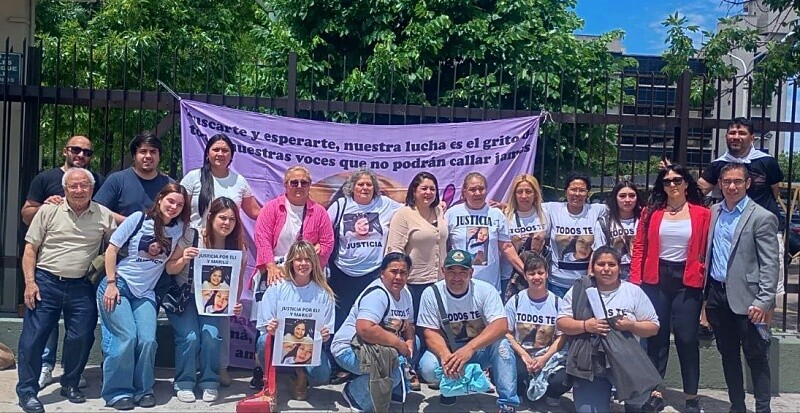
We miss Marilú and we will always miss her. Becerra will have to spend the rest of his life in prison for what he did. I am sure that the struggle of a family and the solidarity of the organizations that accompanied this process have been a fundamental factor in achieving this result.
In particular, a mother who turned her pain into a struggle for her daughter, for her daughter's memory, for her daughter's dignity tirelessly. My admiration for her is absolute.
Up with the fighters. Marilú is always present.
Today we shout that justice has been done. But today we are satisfied to have achieved justice for her.
This Tuesday, November 11, Oscar Adrián Becerra was sentenced to life in prison for the murder of Marilú for the crime of aggravated homicide, committed by a man against a woman involving gender-based violence, i.e., femicide.
Unflappable and with a huge heart. Because the judiciary is not synonymous with justice, and often it is precisely the opposite, it is the manifestation of injustice in its highest expression. But not today.