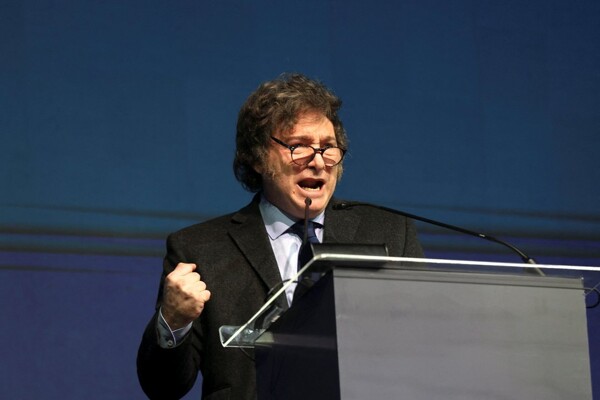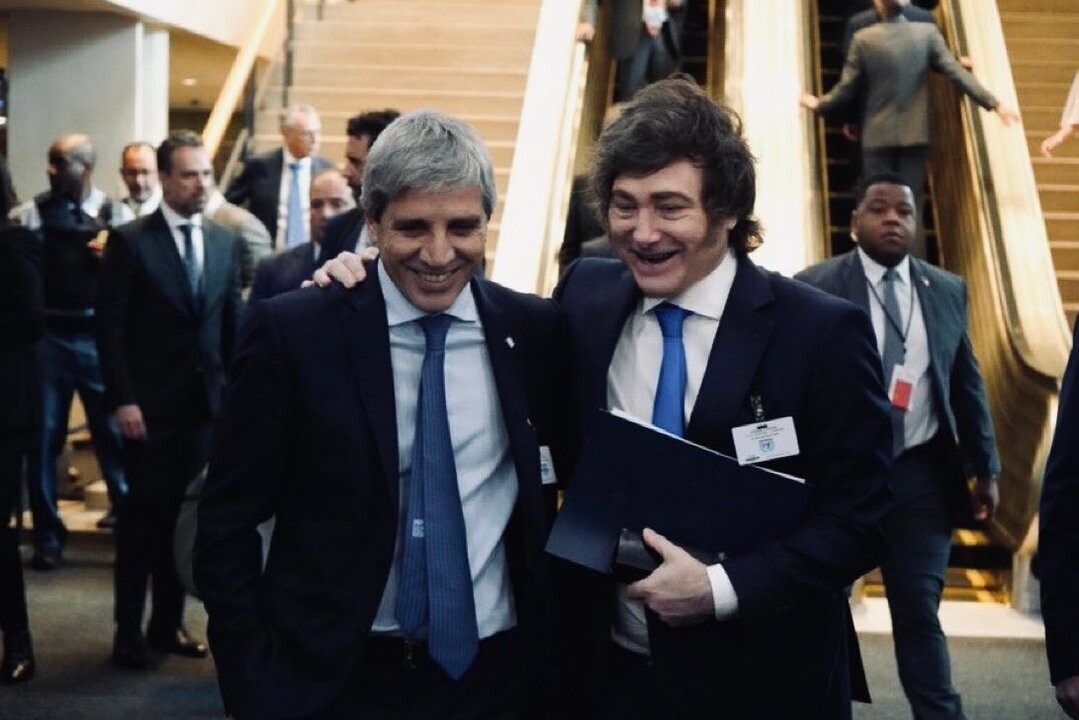
The government is confident that Congress will be able to pass the 2026 Budget Law for the first time in nearly three years, according to Treasury Secretary Carlos Guberman, speaking at the 20th Annual Capital Markets Symposium organized by the Argentine Institute of Financial Executives (IAEF).
The official stated that in the current scenario, "the political conditions are in place for us to have a budget law approved by Congress before the end of the year." He clarified that "the only line that is not crossed is the fiscal balance" and highlighted that, unlike previous periods, the government "lives exclusively on the resources it obtains from taxes," without resorting to monetary issuance or debt.
"From day one we decided to live on our own. We see no reason to review the budget's nominal figures," he explained.
The official said that 85% of public spending is represented by pensions, salaries, and debt interest, so it is crucial to "maintain a fiscal rule that prevents spending the excess from inflation," a practice he said characterized previous governments.
Regarding the dollar, Guberman explained that the scenario envisioned in the budget contemplated "a nominal exchange rate level somewhat lower" than what ultimately consolidated after the political and financial volatility of the second half. However, he assured that the new rate "does not alter the government's macroeconomic projections."
"The exchange rate adjusted to a higher level than we expected at the end of July, but we see no reason to modify the budget's nominal figures or the course of economic policy," he stated.
The official highlighted that after episodes of electoral uncertainty, the market "has tended to stabilize" and that the Executive Branch trusts that the exchange rate scenario will remain predictable during the next year.
Regarding the reform agenda that opens up with the renewal in Congress, Guberman highlighted the gradual reduction in taxes applied by Javier Milei's government, noting that since December 2023, taxes have been lowered "by the equivalent of 2.5 points of GDP," through the elimination of the PAÍS tax and the temporary reduction of import tariffs.
"Those resources are not the state's; they belong to the private sector. Our priority is to return investment capacity to the taxpayer, either by lowering taxes or accelerating VAT and Profit tax refunds," he pointed out.
He said that now they will seek to advance in labor and tax reforms, but clarified that they will be done "in stages."
"We are not going to come out with a package of reforms for the next 100 years all at once. We don't need to issue debt or use the printing press to pay for spending," Guberman said.
The official stated that the keys to budgetary policy are social assistance to vulnerable sectors, strengthening the Armed Forces and Security, and deregulation of the private sector.
"The objective is to equip the armed and security forces with capabilities, and at the same time free the private sector from obstacles so that it can invest and generate employment," he explained.
Regarding the 2026 Budget, he said that its macroeconomic projections are maintained, with an estimated growth of 5% and an average inflation of 14%.
"We remain convinced that these values are reasonable and highly probable. The path will be step by step, on safe ground, without leaps into the void," he clarified.