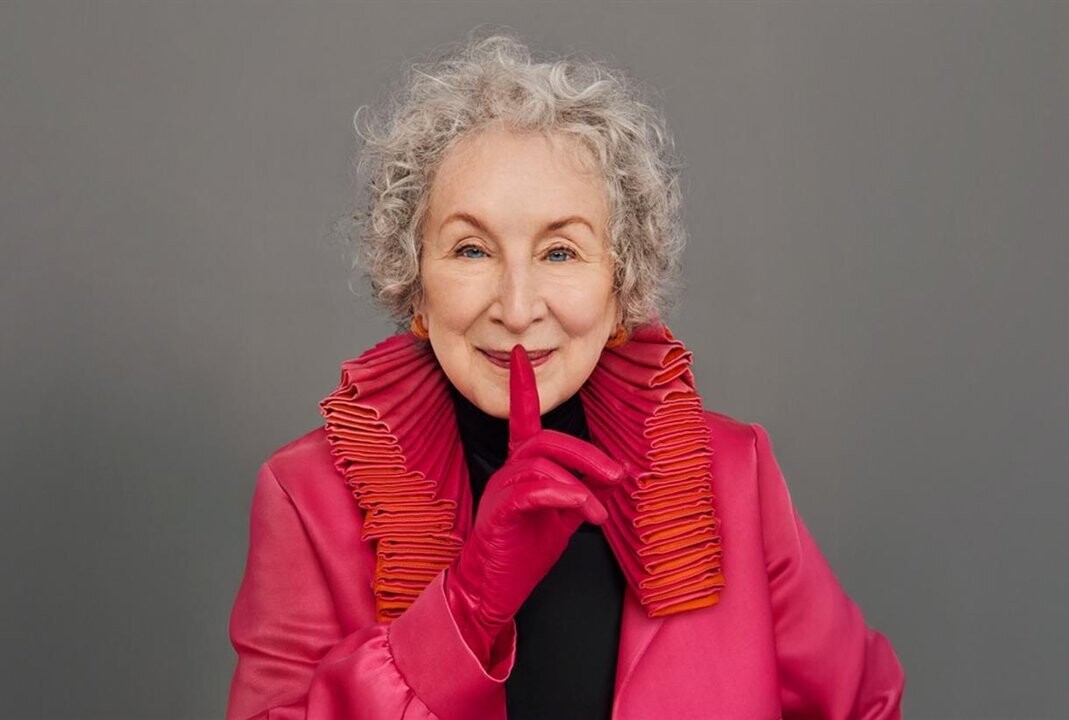
Canadian writer Margaret Atwood admitted that the last Argentine civic-military dictatorship, with the disappearance of thousands of people and the theft of babies, was in part a "very important influence" in writing 'The Handmaid's Tale', her most recognized dystopian novel, which became a hit with the series starring Elisabeth Moss.
According to an article in the cultural magazine of the newspaper El Espectador, the writer, who is about to turn 86, spoke in London on the occasion of the publication of her memoirs, 'The Testaments' (Salamandra), where she recalled this and other historical episodes that marked her work.
"The Argentine dictatorship, particularly its custom of taking babies from murdered people and giving them to the elites of the time, was decisive," she stated.
Atwood compared the Argentine case to other episodes in history: "Hitler stole Polish blonde babies to turn them into Germans; the Russians have stolen many Ukrainian children; we don't know where they are." The writer highlighted that the theft of babies is "a recurring theme in the history of humanity", from the Trojan War to modern dictatorships.
'The Handmaid's Tale', set in the Republic of Gilead, a totalitarian theocracy that emerged after a coup in the United States, precisely explores the mechanisms of power, the control of the female body and forced motherhood.
"Those children grew up and discovered that their adoptive parents had killed their real parents".