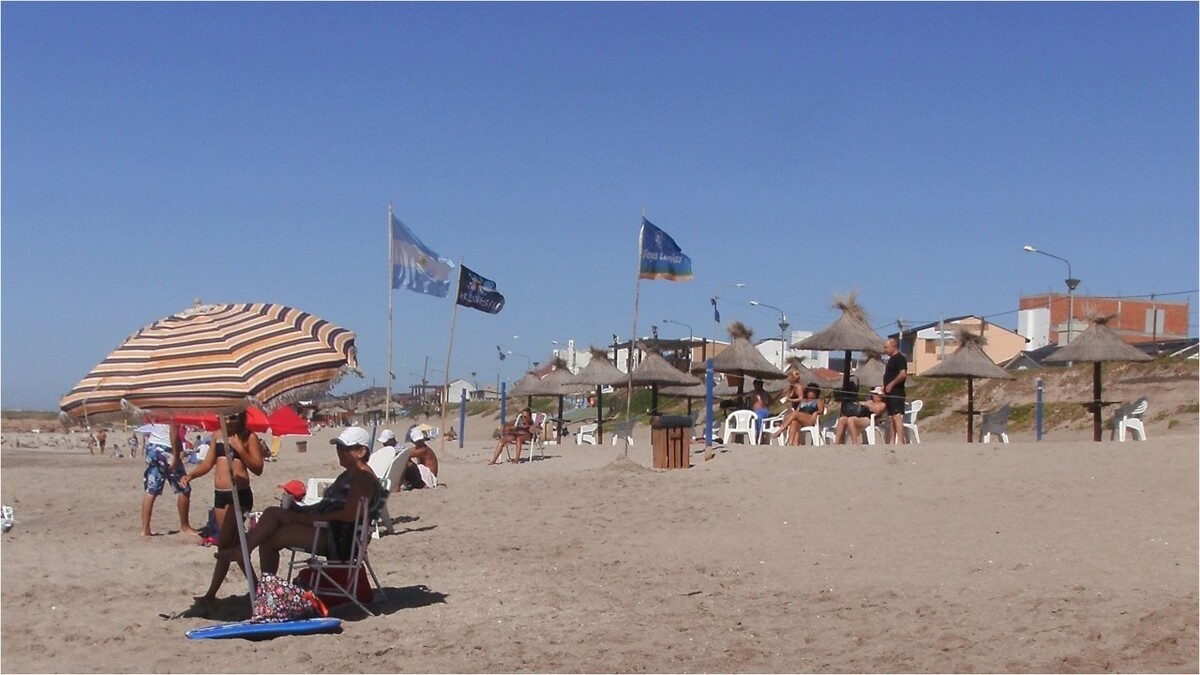
Santa Clara del Mar, January 12, 2026 -- Following the impact of a giant wave that hit the Buenos Aires coast, experts explained that the phenomenon responsible for the tragedy was a 'virazon'. This rotation produces what is known as a 'meteorological tide', violently raising the tide without prior warning. Why is it not considered a tsunami? Unlike a traditional tsunami, which requires a geological event such as an earthquake or plate displacement, a virazon has a purely atmospheric origin. According to the Clarín newspaper, this meteorological event caused a sudden rise in sea level, resulting in one death and at least 34 injured people on the beaches of Santa Clara del Mar. What is a virazon and why does it occur? A virazon occurs when the wind changes direction abruptly, generating an immediate push of water towards the coast. The absence of such records confirmed that the 'giant wave' was the exclusive result of wind dynamics. How did the change in wind influence the sea's behavior? For much of the day, westerly winds (pamperos) pushed the water out to sea, creating a false sense of calm on the shore. This pattern of behavior was the trigger for the scenes of panic and the subsequent evacuation operation throughout the coastal area. When the mass of water abruptly turned to the southeast, it returned with unusual force, advancing onto the beach and catching vacationers off guard, leaving no time for reaction. Isla clarified that no seismic activity was recorded in regions such as the Sandwich or South Georgia Islands, a necessary condition for a tsunami to affect the Mar del Plata area. Geologist Federico Isla explained that the phenomenon originated from westerly pamperos that suddenly rotated towards the southeast.