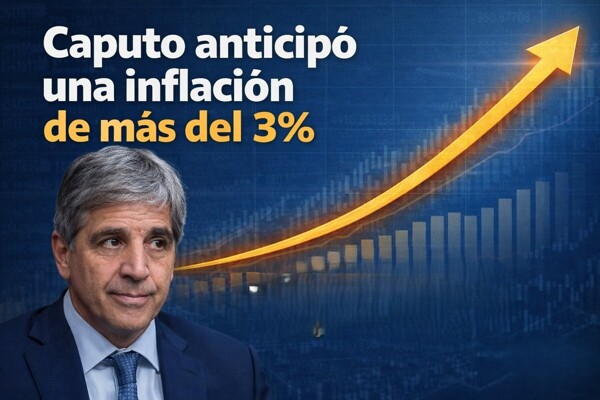
Argentina is experiencing one of the best periods in recent decades, according to the latest Market Expectations Survey (REM) published by the Central Bank, which forecasts an inflation rate of 2.7% for April. However, there are hard facts that help explain what has happened and, especially, to expect that inflation will return to its downward path in the future. The official data was released hours after the International Monetary Fund (IMF) adjusted its annual inflation forecast for Argentina to 30.4%, almost double the previous estimate, and lowered the economic growth forecast from 4% to 3.5% due to a global demand slump and difficulties caused by the war. In this year's national budget, the government had projected an inflation rate of 10.1%, which will be impossible to achieve at this pace. The March measurement was marked by a price overheating influenced by an increase in fuel prices due to the conflict in the Middle East – in Argentina, they have accumulated 20%. The rise in transport costs by 4.1%, and electricity and gas by 3.7% was also decisive. The Education sector (12.1%) was also crucial, coinciding with the start of the school year. Amid investor doubts about Argentina's economic direction, the United States has once again backed its South American ally. The government is confident that the current exchange rate stability and falling interest rates will contribute to disinflation starting in April.

Argentina's Economy: Hopes and Inflation Reality
Despite optimistic forecasts, inflation in Argentina peaked in March. An analysis of the causes, US support, and the government's plans to stabilize the economy.