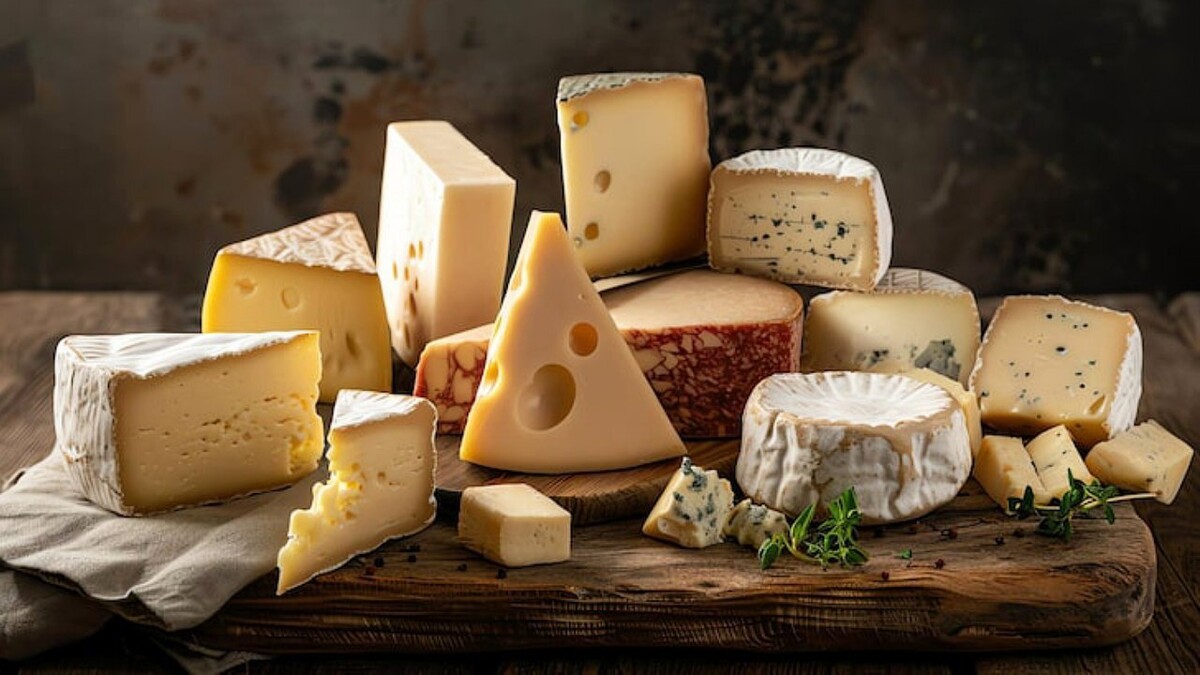
March 27th marks World Cheese Day in Argentina, where a variety of cheeses are staples in daily family meals, cheese boards, pastas, and pizzas. These products are easily found in supermarkets and form the basis of Argentine gastronomy. Knowing their characteristics helps in choosing the right cheese for melting, grating, or serving. Soft cheeses are the most consumed daily, representing 57% of Argentine cheese consumption. They are common in breakfasts, snacks, sandwiches, and homemade dishes. The pategrás has a creamy texture and characteristic flavor, making it a classic of the Argentine table. The provolone, a classic Argentine stretched cheese, is a staple at asados (barbecues). Its light yellow color and melting point make it ideal as an appetizer before the main course. This group also includes lafontina, with a firm texture and mild flavor; cheddar, with an intense color and buttery aroma; and tybo, a favorite for pies, empanadas, and sandwiches due to its excellent melting ability. 'In 2011, we made a strategic decision to incorporate cutting-edge technology to expand our offering beyond our traditional dulce de leche,' highlights Jorge Bentos of Vacalín. From soft to long-aged cheeses, local consumption combines European tradition with a unique identity. Argentines consume 12 kg of cheese per capita annually, according to the Argentine Dairy Chain Observatory. Among the best-sellers are classics like the creamy cheese, mozzarella, pategrás, sardo, and reggianito, as well as others commonly used in sandwiches, pies, or gratins. Jorge Bentos, Head Cheesemaker at Vacalín, details the properties of the main cheeses sold in Argentina. Soft cheeses: the most consumed in daily life. The most consumed group is soft cheeses, representing 57% of Argentine consumption, very present in breakfasts, snacks, sandwiches, and homemade preparations. The pategrás has a creamy texture and characteristic flavor, making it one of the classics of the Argentine table. Knowing its texture, moisture, and flavor is key to making the most of them in daily cooking. They work well in both hot and cold dishes. The gouda presents a balanced milky flavor with a slight salty touch and a mild aroma. It has a soft consistency and a mild flavor that allows it to be combined with both sweet and savory foods without losing its identity. The por salut, meanwhile, is elastic and whitish-yellow in color. It has a sweet flavor with a typical aroma and a smooth rind, making it a frequent choice for sandwiches and cheese boards. Mozzarella holds a central place in Argentine consumption due to its melting ability. The launch of the creamy cheese marked the beginning of an expansion that today positions us in different market segments. Its fibrous and elastic texture makes it indispensable for pizzas, pies, and hot dishes. Semi-moist cheeses: balance between flavor and versatility. Medium-moisture cheeses are highly chosen for their balance between creaminess and intensity. The creamy cheese is one of the most popular in the country. It is widely used in slices and as a filling. The provolone is an icon of the local grill. Currently, we produce between 350 and 400 tons monthly, with a strong preference for soft cheeses, which represent 70% of the volume, followed by semi-hard cheeses at 20% and hard cheeses at 10%.