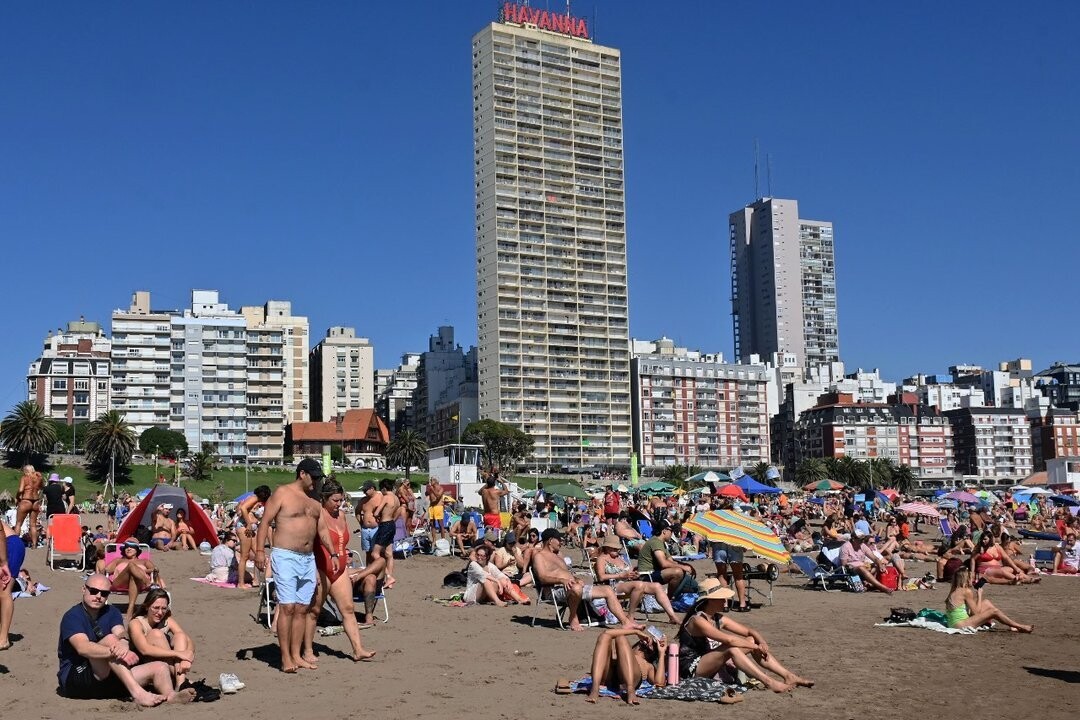
During the 2026 summer season, tourists injected more than $11 trillion into the economy at the Atlantic coast of Buenos Aires province, which became one of the country's main destinations. 'The summer of 2026 had a dynamic of growth and closed with a balance superior to that of 2025: more tourists traveled, a greater economic impact was generated, and the events agenda functioned as a great engine of mobilization throughout the country,' part of the official CAME communiqué states. The breakdown of the global analysis shows that tourism grew by 9.5% compared to 2025, and in this sense, spending also increased, rising by around 4.5% from the previous year. This also positively impacted the balanced maintenance of tourists during the months of January and February. Regarding tourist nights of stay, the CAME report shows: 'The average stay was 3.65 nights (vs. 3.7 in 2025), consolidating the trend towards shorter trips. Compared to 2022 (4.65 days), the reduction reaches 21%. At this point, the daily spending of each tourist was $97,101, being nominally higher than the last season by 28.2%, although, in real terms, it fell by 3.3% when removing the impact of inflation from real prices.' Another difference compared to the previous season was the commercial policies with a greater presence of promotions and financing in installments that contributed to dynamism in consumption. Compared to 2023 (4.15 days), the average stay is 12% lower. Buenos Aires, February 27 (NA) – The Argentine Confederation of Medium-sized Enterprises (CAME) officially released the numbers of a summer 2026 that set a record in tourist mobility and holiday spending compared to the 2025 season. According to data accessed by the Argentine News Agency from official CAME sources, 30.7 million people traveled, which represents well over 50% of the total population. This behavior evidences a structural change in travel habits: in a context of tighter incomes, the tourist's main adaptation mechanism is not to stop traveling, but to reduce the length of the stay, while daily spending remains relatively firmer in relation to the chosen experience. Changes in the tourist profile According to CAME data, the current trend began to more markedly show how tourists are taking their vacations, with data linked to the family economy in the country. Thus, some of the impressions that account for the paradigm shift are that while people are not stopping traveling, they are changing their ways and are more selective according to various parameters, such as: The summer was more heterogeneous but dynamic, and destinations that combine nature with cultural activities were gaining ground. The climate in each region was also a factor taken into account when choosing, as well as those places with specific proposals such as carnivals or sporting events during weekends, which made accommodation demands made almost at the moment or, at least, with little advance notice. Nights away from home were fewer and averaged 3-4 days, which accompanied the decrease in spending, adjusting to choices thought for enjoyment, such as experiences in excursions and gastronomy. Each family's wallet was shaping these data, but other components were added, such as: Adjusted profitability. Informal competition. Dependence on the climate. Agenda. Now, which were the provinces that received the most tourists during the summer season in Argentina in 2026? Each province has its natural, cultural, and historical charms, as well as its 'culinary magnets,' but, regarding the provinces, this is the ranking, according to the CAME survey. Province of Buenos Aires. City of Buenos Aires. Catamarca. Chaco. Chubut. Córdoba. Entre Ríos. Formosa. Jujuy. La Pampa. Mendoza. Misiones. Neuquén. Río Negro. Salta. San Juan. San Luis. Santa Cruz. Santa Fe. Santiago del Estero. Tierra del Fuego. Tucumán.