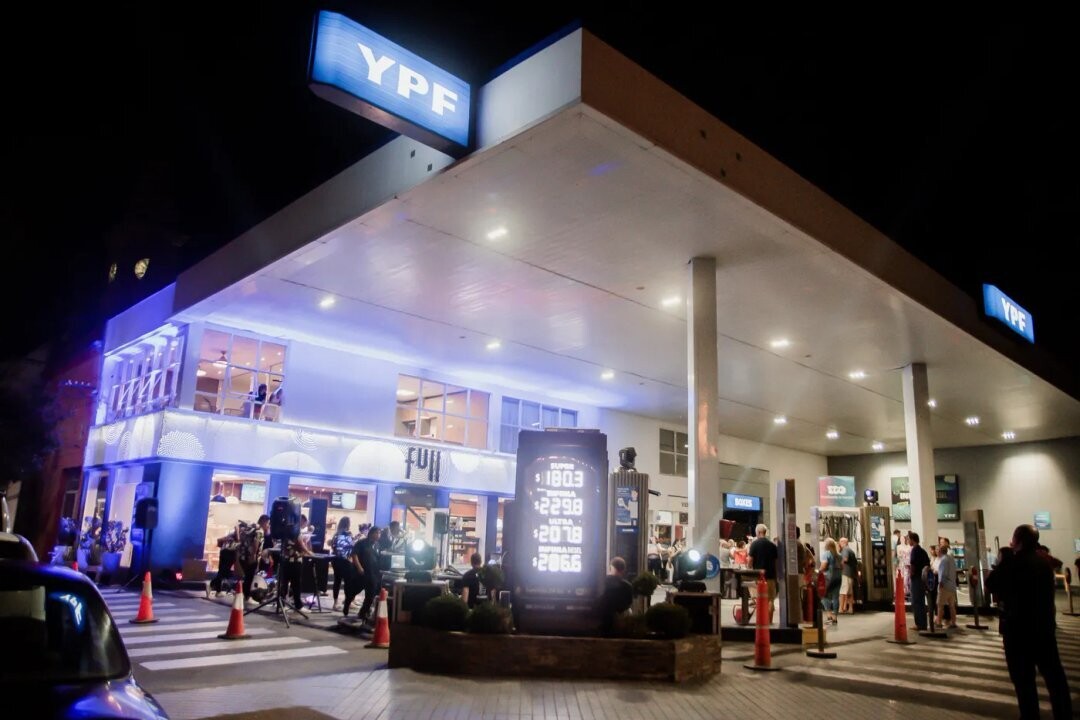
In Argentina, the economic performance of the 5,300 service stations was once measured by the volume of fuel sold, but today the business has changed, and what matters is the number of customers who enter. Four brands drive the majority of the volume dispensed, but the stores inside them attract far more people than the pumps themselves. According to recent studies accessed by Agencia Noticias Argentinas, two out of every three people who enter the store do not refuel. There are even cases, as declared by the CEO of YPF, Horacio Marín, where concessions from global food brands like McDonald's, operating within their facilities, lead the national sales of hamburgers, including their own specialized locations. This is because competition is no longer defined solely by liters dispensed, but by capturing value from each person who enters the station, regardless of whether they refuel or not. In well-managed stations, store sales already account for about 30% of the total margin and, in some cases, reach up to 50%. 'The differential today is no longer just about selling liters,' states Mario Rudyk on the Surtidores website. In this context, profitability begins to be built on decisions that were once secondary and are now central. The store layout, product mix, rotation, customer dwell time, and staff training become strategic variables. Every visit is an opportunity for an additional sale and, above all, for loyalty building. The challenge is to get the customer to return, even when they don't need to refuel. In parallel, self-service is gaining ground as a tool for operational efficiency. But its real impact is not only at the pump.