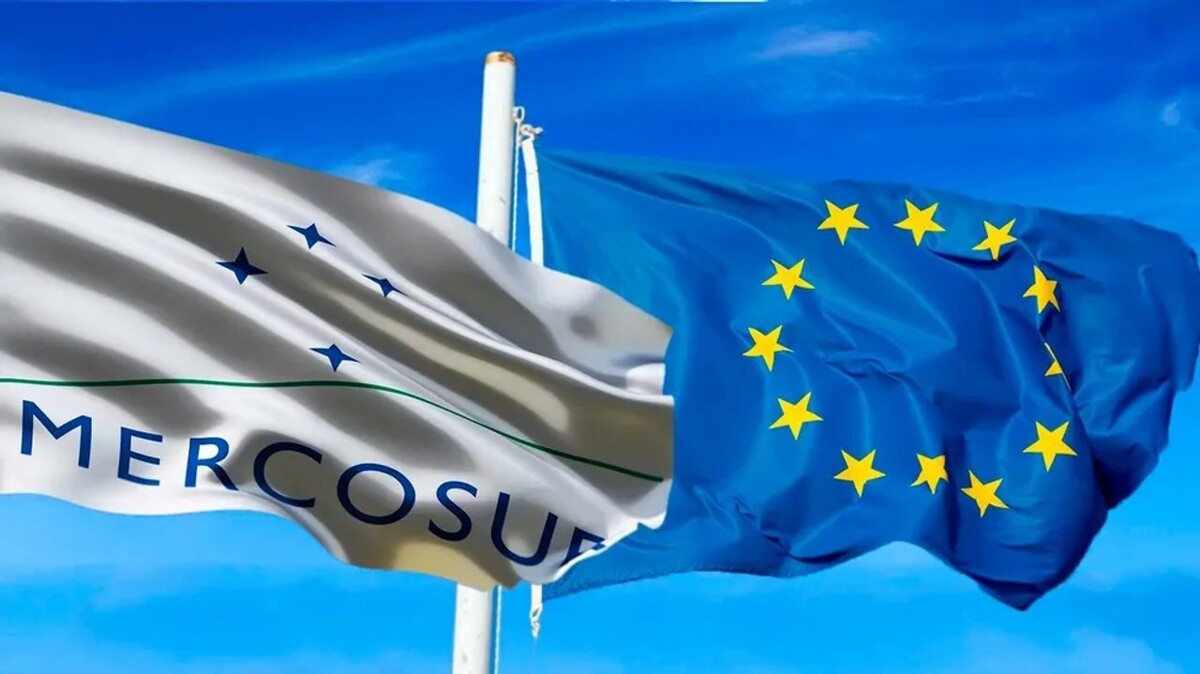
The Association Agreement between the European Union and Mercosur opens a historic era for the integration of both blocks. This alliance, encompassing 25% of world GDP and a market of 780 million people, promises to transform biregional relations. However, its final implementation faces a complex scenario of ratification and technical adaptation, according to a report by the corporate consulting firm LLYC, accessed by the Argentine News Agency. Forecasts indicate that the agreement will lead to a 40% increase in trade between the two regions. EU exports to Mercosur reached 55.2 billion euros, and imports reached 56 billion euros. Europe buys agricultural products (42.7%), minerals (30.5%), and pulp/paper (6.8%). It is estimated that flows of European Foreign Direct Investment (FDI) in the region could double after the agreement comes into force. Risks and challenges: Sustainability and competitive pressure. Despite the economic potential of the agreement, the document identifies 'bottlenecks' and significant risks that could condition the success of the treaty. Environmental and compliance requirements: Mercosur companies will have to adapt to extremely strict European standards on deforestation, traceability, and labor rights. Furthermore, it implies an agenda of profound adaptation: industrial competitiveness, sustainability, traceability, logistics, and certifications will be critical variables of the new commercial context.