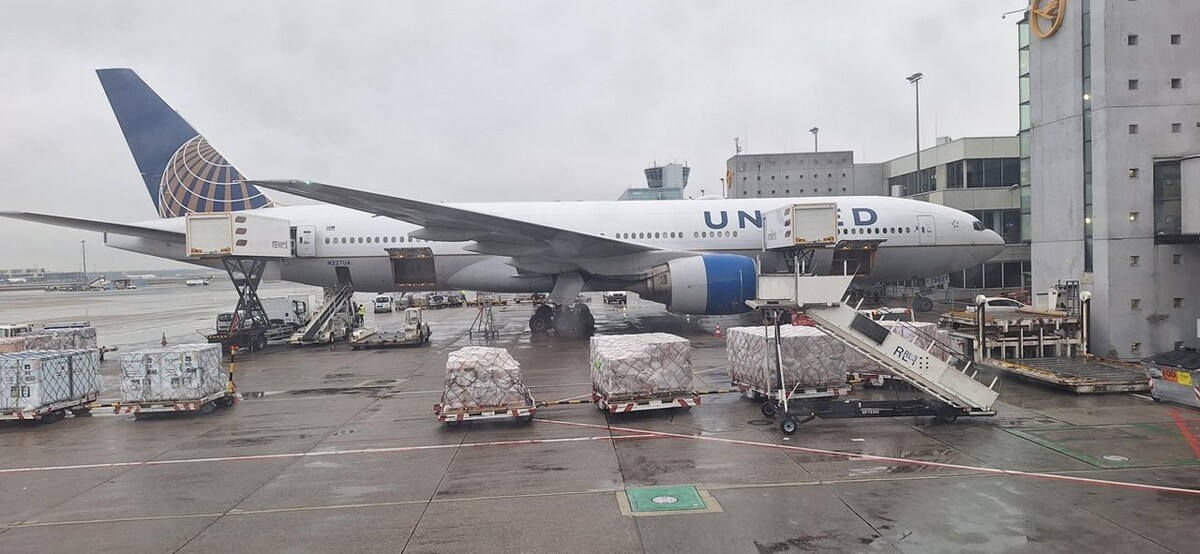
The Argentine air transport system concluded an unprecedented year, transforming the connectivity paradigm in the Southern Cone by establishing 2025 as a historic milestone for the sector. For the first time, it surpassed the barrier of 50 million users. According to the final consolidated reports from the National Civil Aviation Administration (ANAC), accessed by the Argentine News Agency, a total of 50,646,921 passengers were recorded across the country's terminals. The industry not only recovered pre-pandemic levels but also set a new operational ceiling that redefines the economic potential of air transport in the region. This traffic volume represents a 9% increase over the previous 2023 record and a solid 12% growth compared to the 2024 performance.
International terminals showed exponential growth in the international segment compared to 2024: Salta: +61%, Córdoba: +54%, Bariloche: +51%. Within the domestic market, emerging and consolidated destinations also showed double-digit figures, with Río Hondo (+82%), Santa Fe (+30%), and Neuquén (+22%) standing out. A fundamental turning point has been the growth of direct international flights from the provinces. Over the past year, 2,156,442 passengers traveled abroad without needing to connect through the Federal Capital, a figure that is 38% higher than in 2024 and a staggering 73% higher than in 2023. This regional autonomy not only optimizes travel times but also boosts local economies by positioning the country's regional airports as full-fledged international logistics hubs.
The 63 new air connections established during 2025 do not just represent a statistical advance in the records of the National Civil Aviation Administration (ANAC); they constitute, in essence, the opening of new productive corridors that have transformed the economic landscape of Argentine provinces. This phenomenon has had a transversal impact, ranging from inbound tourism to the optimization of regional logistics chains. The diversification of routes, especially those connecting the interior directly with the outside world, has changed the profile of the international visitor.
The expansion of the sector was balanced, although with significant nuances in cross-border traffic. International passengers reached a historic figure of 15,911,424 users, a growth of 18% compared to 2024. 2025 marked a break in the historical dependence on Buenos Aires. By avoiding the mandatory transit through Buenos Aires, destinations like Mendoza, Salta, and Córdoba have managed to capture a flow of high-spending tourists who previously discarded these destinations due to the logistical complexity of connections. National passengers (cabotage) registered 34,735,497, a 9% increase over the previous year. Total air movements amounted to 405,434 operations, exceeding the previous high of 2019 by 4.5%.
Daniel Scioli, National Secretary of Tourism, Environment, and Sports, highlights that connectivity is the main driver of tourism competitiveness: "Every new air route that opens operates like a small and medium-sized enterprise that is launched." This performance is based on the implementation of the Open Skies policy promoted by the National Government, which allowed for a market opening that facilitated the entry of new operators and the strengthening of existing airlines.