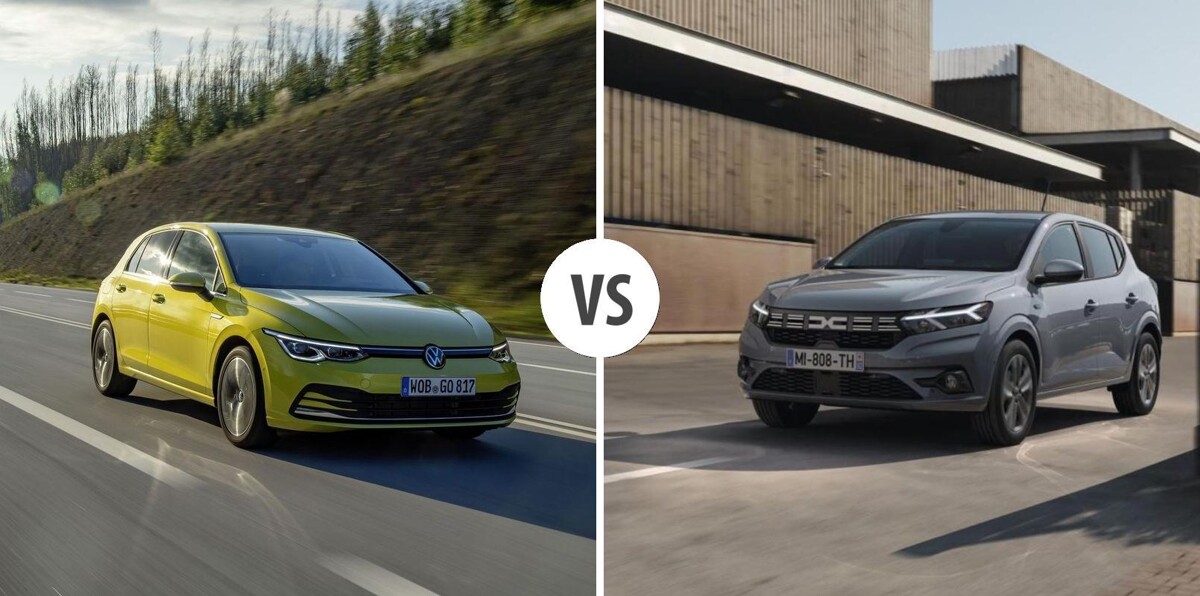
Agriculture, which was once the continent's food base, is no longer a priority. Meanwhile, globalization led factories to China, India, Mexico, and Vietnam: countries with cheaper energy, fewer regulations, and governments that still see industrial production as a strategic asset. Now, it's time to face the consequences: stagnant wages, lost industrial jobs, and a continent that is importing its future. Today, in 2025, the leadership is held by the Dacia Sandero, assembled in Romania from components arriving from Turkey, Morocco, and China—a eloquent metaphor for the change in role the continent has experienced. The decline of European industry can be measured in figures. Europe, in contrast, seems dedicated to generating reports on 'innovation,' 'sustainability,' and 'inclusion' while importing what it used to manufacture. The consequence is painful: less economic independence, stagnant wages, and an eroding purchasing power. In August 2025, industrial production in the eurozone fell by 1.2% compared to the previous month. Sectors such as capital goods plummeted by 2.2%, and durable consumer goods by 1.6%. The reasons are multiple: high energy costs—Europe has industrial prices almost double those of the U.S. and nearly 90% higher than China's—intense Asian competition, and manufacturing that has migrated to more competitive regions. The decline in the primary sector is also notable. Owning a new affordable car today for many European families means buying a Dacia Sandero, a functional, cheap... car produced externally. It is a reflection of policies that prioritized the service sector, market opening, and import dependence instead of the strategic protection of national industry. European imports from China represented 21% of total external trade, while only 8% of its exports were destined for that country. Today, it buys what the world produces. This imbalance translates into dependence, deficit, and vulnerability. The result is summed up in a paradox: Europe still considers itself developed because it has streaming platforms, solar panels, and vegan food delivery, but it no longer enjoys industrial, food, or even the economic security that comes with manufacturing at home. The transformation was deep-rooted: in the year 2000, Europe produced what the world bought. The concern spread across social networks and read... Madrid, November 10, 2025 – Total News Agency-TNA – A quarter of a century ago, the best-selling car in Europe was the Volkswagen Golf, a symbol of a strong European industry: German engines, European steel, robust factories, and technological pride. It's not Dacia's fault; it's a symptom of a continent that no longer builds its own Golf. In parallel, China gained ground: European brands like Volvo already belong to the Chinese Geely group; MG is from SAIC Motor; the firm Pirelli has majority Chinese capital; and manufacturers like Mercedes-Benz or Volkswagen have state Chinese shareholders such as BAIC and FAW. Europe closed more than three million farms between 2010 and 2020, pressured by regulations, costs, and a 'transition' strategy that preferred to import fruit from Chile, grains from Ukraine, and vegetables from Morocco in the name of sustainability. And while China manufactures, India grows, the U.S. reindustrializes, Europe debates how many genders there are and how many more cows emit CO2. This situation is not an accident nor the exclusive product of the energy transition.