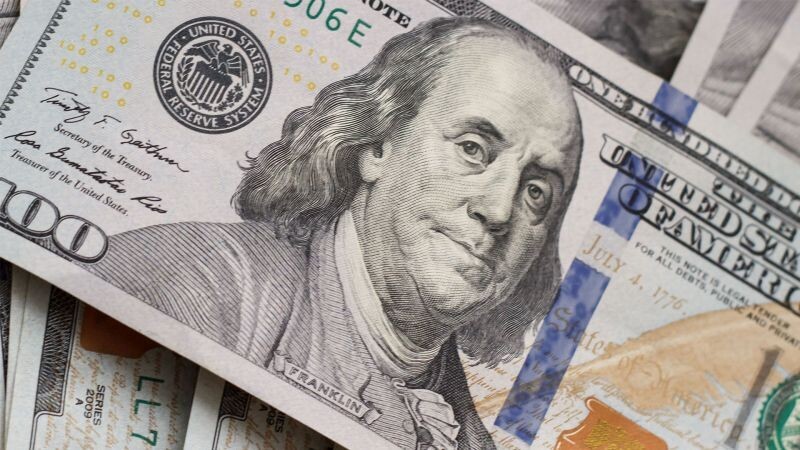
Although it fell by $40 last week, the dollar saw an overall increase of $25. The wholesale dollar exchange rate is currently at $1422.20 for purchase and $1472 for sale, close to the top of the exchange rate band set by the Central Bank (BCRA) today at $1496.02. The dollar card for digital services and tourism, meanwhile, stands at $1917.50 following government changes to Income and Personal Assets taxes. On the other hand, the blue dollar today, Monday, November 3rd, is offered at $1425 for purchase and $1445 for sale. It started the month at $1450, reached a peak of $1515 in the trading session before the elections, and then fell back to $1460 following the landslide victory of the ruling party. The parallel exchange rate is trading $220 above its value at the start of the year (it ended 2024 at $1230). This Friday, the Central Bank (BCRA) did not intervene in the Unique and Free Foreign Exchange Market (MULC). According to data released by the monetary authority, after the latest movements, reserves are now at $39.382 billion. The official dollar exchange rate today, Monday, November 3rd, is $1425 for purchase and $1475 for sale on the screens of Banco Nación. The currency had a volatile path in October due to electoral tension. The parallel rate closed last week with a drop of $80, but for the month as a whole, the decline was reduced to only $15 from the peak it reached on Wednesday, November 22nd, when it hit $1550. In this way, the gap between the official and the parallel rate is negative (-1.69%).