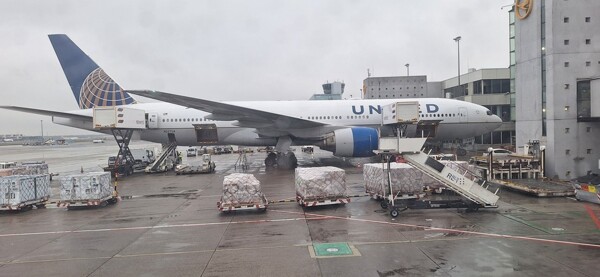
The Pampean establishment creator of the Paty burger, whose brand became a generic term for the minced meat patty, has suspended its 450 employees. It cited falling sales and debts exceeding $30,000 million, according to data collected by the Noticias Argentinas agency. The Pico slaughterhouse paid the price for a stagnant domestic market at historic lows and a decline in exports that heavily impacted the sector, especially the one supplying both the local and external markets. The reduction from processing nearly 600 heads of cattle per day to just 50 is a snapshot of the current situation that led to the drastic measure. It suffered the general effects of the 7.3% contraction in meat exports during 2025, with a dominant decline in shipments to China—the main destination for the national product—of 12.3%. As Pico relied heavily on foreign trade to sustain its operational structure, its income was compromised. In the Pampean locality of Trenel, where the slaughterhouse is one of the main economic engines, concern is growing over a possible definitive closure. The plant's shutdown affects not only the direct workers but also merchants, transporters, and producers linked to the meat chain.
A sector in crisis The current conflict thus adds to other sectoral tension foci in the country, such as the Santa Fe-based slaughterhouse Euro, where workers have been occupying the plant for over two months demanding unpaid wages. Just in recent weeks, numerous key players in the beef, poultry, and pork business, such as Granja Tres Arroyos and the slaughterhouses Euro and Bernasconi, have joined Pico. Last week, about 300 workers at the plant owned by Granja Tres Arroyos, considered the leading national poultry company, located in Pilar, held intermittent stoppages due to the non-payment of wages and a portion of the December bonus.
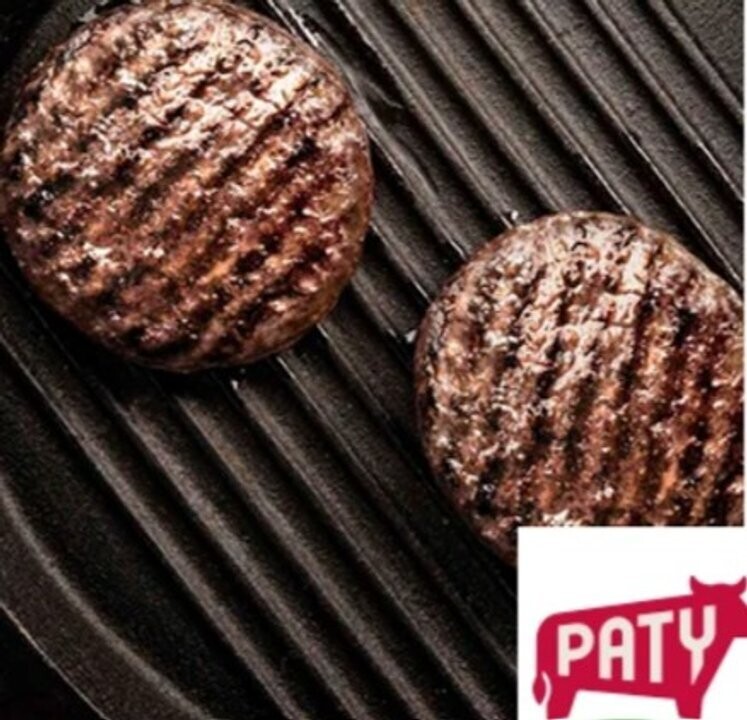
A generic brand Argentines use "unos patys" to refer to any hamburger meat patty, making it a fundamental product of fast and home cooking since the '60s. The four-pack weighs 450 grams. The popular use of the Paty brand turned it into a generic term to identify hamburger meat, often served "between buns." It was a pioneer in the Argentine hamburger market, introduced by the company Quickfood in the 1960s. Its name comes from the English term "beef patty" (meat patty). It was an initiative of Ernesto Tito Lowenstein, Luis Juan Bameule, and José Moché, who decided to found Quickfood and industrialize meat when they were no older than 30. It was with Tomás Bameule, the founder's grandson and already working at the company, that Luis Miguel Bameule decided in 2007 to sell Quickfood, and Paty became the property of the Brazilian Marfrig, although they have been the owners again since 2018, after selling it to BRF, another Brazilian food corporation present in 117 countries, in 2012.
Founders Owned by the Lowenstein family, also creators of the Las Leñas tourist complex, the slaughterhouse has been operating since the early '60s. It belongs to Ernesto "Tito" Lowenstein and his son Alan Lowenstein, representatives of the seventh generation of the family with a long history in the meat business. Three generations developed it in Argentina, while the previous ones did so in Europe. The company had been struggling for several years, and about a year ago it began a downsizing process that affected about a hundred workers. This was the beginning of a more drastic decision like the one adopted now, with the massive suspension of staff.
Financial difficulties The sector's unions warn that the crisis extends to a large part of the country's meatpacking industry, affected by rising costs, falling demand, and financial difficulties. The Pico slaughterhouse has become one of the most emblematic cases due to its historical weight and symbolic role within the meat business. It has transpired that it only owes Banco de La Pampa a debt close to $9,000 million, to which the Central Bank added an alarming figure: it registers more than a thousand bounced checks, which reveals a lack of liquidity and that it is having problems meeting its current commitments. The mayor of Trenel, Horacio Lorenzo, stated that the company owes several months of payments to producers in the area and in the neighboring locality of Eduardo Castex, which generates a domino effect on the local economy.
In turn, the company informed its workers that it will pay a sum of $500,000 for the current month and will deliver the corresponding weekly meat, a measure that seeks to partially alleviate the situation of the suspended employees.