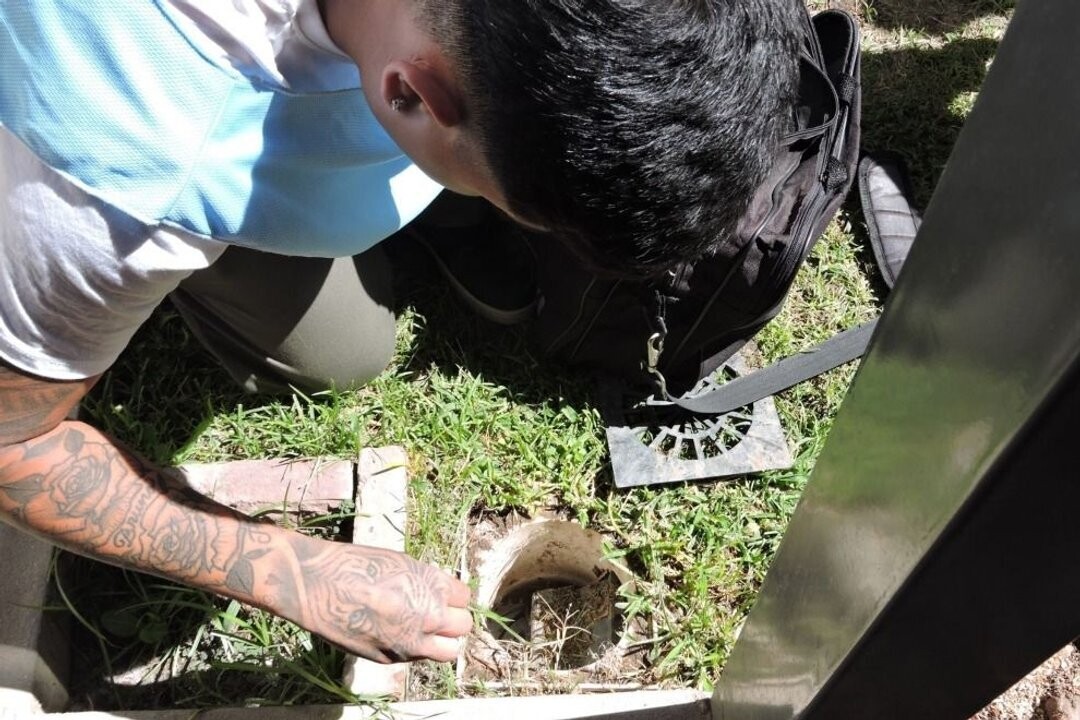
During the process, 600 homes in 30 neighborhoods of the city were evaluated. Regarding the samples obtained, the most common potential mosquito breeding sites were found to be buckets (29.7%), flower vases with aquatic plants (27.5%), pet waterers (8.8%), covers (7.7%), drains (6.6%), and flowerpot holders (3.3%), among others. In this regard, María Eugenia Vittori, from the Department of Epidemiology, stated: “The population is reminded of the importance of discarding containers where water can accumulate and that are not necessary. They must be discarded, emptied, cleaned, or turned upside down.” Likewise, yards and gardens must be kept clean, tidy, and weed-free to prevent adult mosquitoes from hiding there and to quickly visualize any container with water. It is essential to keep the grass short in the peridomicile. It is also necessary to check drains and pet waterers, which must be cleaned frequently. Regarding the interior of the house, pay attention to flower vases or plants in water and flowerpot holders. It is suggested to add sand to flower vases where there are plants, and it is recommended to wash pet waterers daily to prevent the accumulation of eggs and larvae”. Operations. Photo: Agencia NA (Córdoba Government) Prevention Measures The provincial authorities maintain that to prevent the spread, it is important “to check the home for any container that can accumulate water and that can become a potential breeding ground for larvae. In these cases, it is suggested to replace the water with sand.” The report reveals that almost 12 out of every 100 homes visited had at least one container with Aedes aegypti larvae. The Division of Integrated Vector Management of the Department of Zoonoses of the Province, together with municipal personnel, carried out the first aedes monitoring of 2026 in the city of Córdoba, and the analysis showed a high House Index (HI) of 11.50%. This percentage means that in almost 12 out of every 100 homes visited, there was at least one container with Aedes aegypti larvae, the mosquito that carries the dengue virus. “This value indicates a high risk of viral transmission, according to the standards established by PAHO/WHO; and it is similar to the one obtained in the same period of 2025, when it was located at 12 percent,” the document accessed by the Argentine News Agency highlights. The survey was stratified into five zones of the capital, according to geographical characteristics. Meanwhile, the second [type of containers] must be emptied and cleaned frequently.