The Argentine government has once again formally demanded that the Argentine Football Association (AFA) provide detailed explanations for the fate of over 450 million dollars recorded in its financial statements and those of the Superliga between 2017 and 2024. This comes alongside another investigation advancing in the Campana Justice, which is analyzing the origin of a luxurious property in Pilar, complete with a helipad and high-end vehicles, allegedly linked in the shadows to AFA authorities, particularly its treasurer Pablo Toviggino.
From an administrative standpoint, the General Inspection of Justice (IGJ) noted that after analyzing the written submissions and the proceedings of the hearings, it concluded that the information provided by both the AFA and the Superliga was insufficient. The body requested a “detailed breakdown and documentary substantiation” for liabilities related to advance payments from both TourProdenter LLC and TyC Argentina Football Distribution LLC, including contracts, coverage periods, the purpose of each agreement, and the bank accounts where the funds were credited.
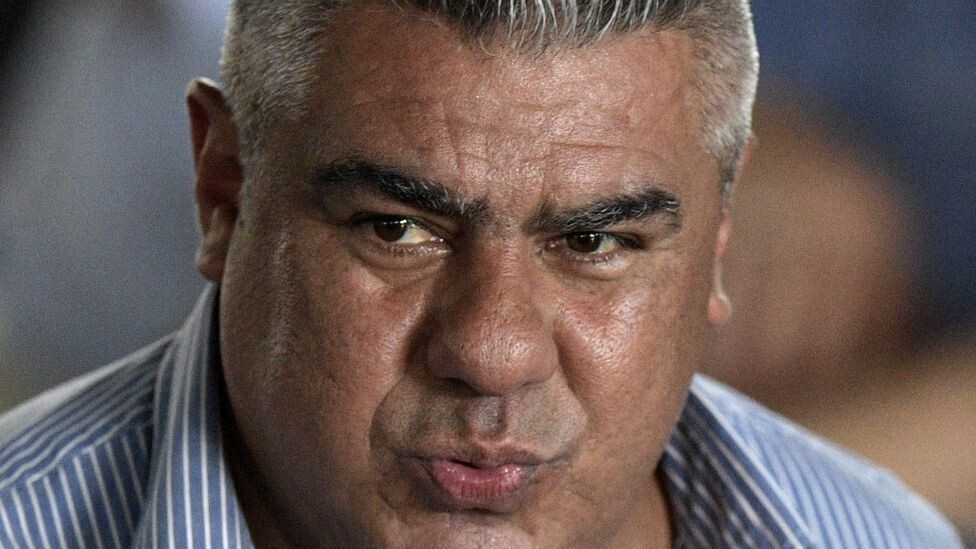
The IGJ had made a similar request last December. The response sent by the AFA in mid-January was deemed incomplete, leading to this new formal demand. At the center of the dispute are 111 million dollars corresponding to the AFA and 348 million dollars linked to the Superliga, figures about which the IGJ has serious doubts regarding their composition and final destination. The new letter sent to the entity presided over by Claudio “Chiqui” Tapia states that the explanatory notes presented did not meet the minimum requirements of clarity, disaggregation, and justification for the reported items.
One of these focuses on TourProdenter LLC, which is accused of using shell companies without employees or real commercial activity to divert part of the AFA's international income, especially after the surge in revenue following Argentina's World Cup victory in Qatar. Some of this information emerged from a case originally filed in the United States, which was recently incorporated into a local case under the direction of Federal Judge Luis Armella.
The new demand was channeled through the General Inspection of Justice (IGJ), which considered the information provided to date as insufficient and granted a new ten-business-day deadline to respond. The oversight body, headed by Daniel Vítolo, again requested accounting documentation and supporting evidence to break down amounts that, according to inspectors, were reported in a globalized manner without the level of detail required by current regulations. According to the IGJ, this lack of precision prevents an evaluation of how the total amounts declared in the financial statements were formed, which motivated the reopening of the administrative request.