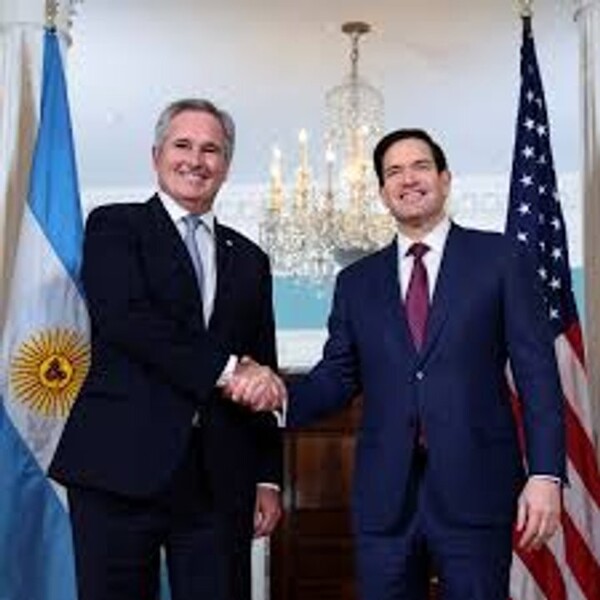
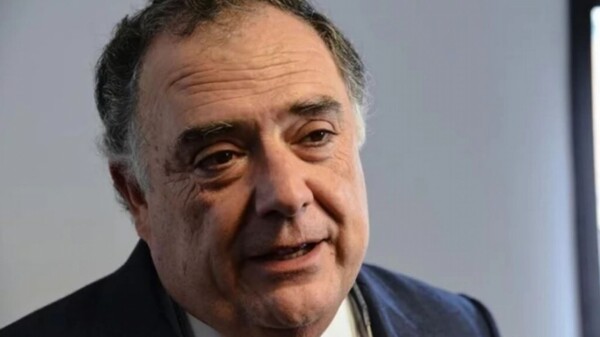
In Santa Cruz and Tierra del Fuego, the President's lead does not reach five points, suggesting more open or volatile scenarios. A particular case is the Autonomous City of Buenos Aires, where neither leader achieves high approval levels, though Milei comfortably leads: 40% versus 28.7%. In Buenos Aires Province, the country's most populous district, which concentrates about 40% of the national electorate, Axel Kicillof maintains a key advantage: Kicillof 47.0%, Milei 41.2%. This differential explains why the governor remains a central figure in the opposition coalition and why his national projection largely depends on retaining and expanding that territorial base. The study reinforces a trend also seen in other polls: Javier Milei holds a dominant position on the federal stage, while Axel Kicillof concentrates his strength in districts historically aligned with Kirchnerism. For now, the numbers show a scenario with a clear presidential predominance, though with focal points of territorial resistance that complicate the reading. A recent federal study by CB Global Data, led by analyst Cristian Buttié, compared the image of both leaders in the country's 24 districts. The President shows a better balance between positive and negative image in most of the country, while the governor faces high rejection levels outside his territorial stronghold. The presidential supremacy becomes especially marked in several central and western provinces. The results offer an early snapshot of the national landscape. Javier Milei wins in 21 out of 24 provinces. Axel Kicillof wins in 3 out of 24 provinces. The three jurisdictions where the Buenos Aires governor prevails are Buenos Aires Province, Santiago del Estero, and Formosa, territories where Kirchnerism and its allies have historically shown electoral strength. Beyond the aggregate result, the report reveals structural differences in the public perception of both leaders. In nine districts, the positive image gap between Milei and Kicillof exceeds 20 percentage points. At the other extreme, there are provinces where the gap is much smaller. Buenos Aires, February 5, 2026 - Total News Agency - TNA - While Axel Kicillof concentrates much of his political energy on the internal dispute with Máximo Kirchner for control of Buenos Aires Peronism, in parallel, a broader ambition is advancing: to position himself as a presidential alternative for 2027. On the other side, Javier Milei has already made it clear that he will seek re-election. The competition between them, still implicit, is beginning to outline a polarization axis towards 2027, where the battle will not only be ideological but also deeply territorial.

Presidential Lead in Argentina: Milei vs. Kicillof
A new study shows President Javier Milei holds a significant lead in public opinion over Governor Axel Kicillof in most Argentine provinces, laying the groundwork for a future political battle.