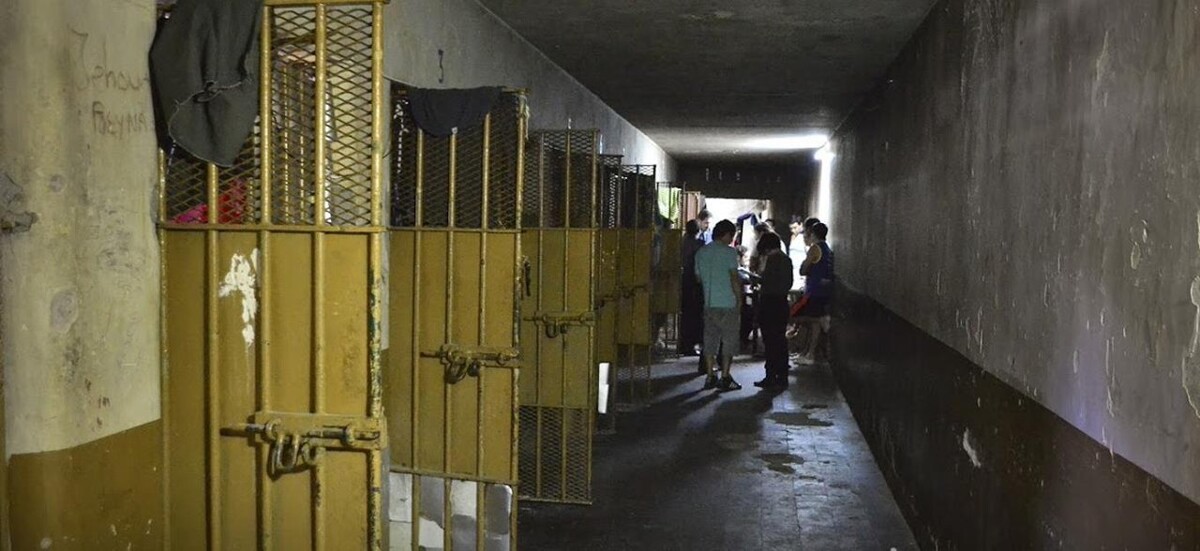
Currently, 62.0% of the prison population is sentenced, while 37.3% remain under trial, meaning without a final verdict. The legal situation shows marked differences between the country's various jurisdictions. Neuquén has the highest percentage of convicted individuals, at 99.6%. Chaco, Chubut, and San Juan also exceed the 90% mark for the population with a conviction. In contrast, some jurisdictions exceed the national average of imprisoned individuals without a conviction, including Formosa (51%), Córdoba (49%), Buenos Aires (43%), and Misiones (39%). Regarding the types of crimes, the largest proportion corresponds to property crimes, which represent 36.4% of the total, meaning almost four out of every ten people. However, the trends in this evolution show disparate behavior at the jurisdictional level. Santa Fe recorded the most pronounced increase (244.8%), followed by Santiago del Estero (138.2%) and Córdoba (116.6%). These three jurisdictions doubled their prison population between 2015 and 2024. Regarding the expansion of prison capacity, they note that in 2024, various provincial executives increased the capacity of penal accommodation, including Buenos Aires, Jujuy, Santa Fe, Santiago del Estero, and Tucumán. “A good part of these new penitentiary centers received people who were housed in police stations. Although the number of prison places increased, this failed to reduce overcrowding levels.” The National Committee for the Prevention of Torture (CNPT) explains that at the national level, the set of prison systems operates at 130.2% of its capacity, which means there are 130 people housed where 100 can fit. In the last decade, the number of people housed in the country's penal establishments grew by 67.7%. In 2024, the increase was even greater and reached 7.1%. They are followed by crimes against persons, which reach 21.7%, and against sexual integrity, with 20.5%. This document also addresses the increase in incarceration, the evolution of occupancy levels by jurisdiction, the judicial and socio-demographic characteristics of the population, as well as the situation of people deprived of liberty for security reasons for mental health reasons. As of December 31, 2024, the prison system registered 121,443 people deprived of liberty (PPL), which is equivalent to a rate of 258 PPL per 100,000 inhabitants, the highest in history, according to the report accessed by the Argentine News Agency. That rate was high after five provinces far exceeded it: Córdoba leads the list with almost 377 PPL per 100,000 inhabitants; followed by Mendoza with 308; Buenos Aires with 305; Santa Fe with 286; and Salta with 267. Over the last 25 years, imprisonment in prisons grew at an average annual rate of 6%, with the only exception being 2020, when it decreased due to the pandemic. This generated an increase in incarceration but failed to reduce the number of people detained in the police sphere, which merely stabilized,” they state. Likewise, the report analyzes in detail, among other points, the legal situation and the types of crimes of the imprisoned population. Buenos Aires, February 1 (NA) – Argentina records the highest prison rate in its history, according to the latest report from the National Committee for the Prevention of Torture (CNPT) published in January 2026.