The province of Neuquén in Argentina continues this Friday under a state of fire emergency, as part of one of the most severe wildfire seasons in recent years in Patagonia. While several fire outbreaks have been contained, authorities maintain active guard due to the accumulation of fuel material and adverse weather conditions persisting in the region. Days ago, a rural fire was recorded in northern Neuquén, particularly in areas near Buta Ranquil and the Tromen area, affecting approximately 100 hectares of grasslands and undergrowth. According to official estimates and consolidated satellite surveys, the fire has already consumed more than 50,000 hectares in southern Argentina, mainly affecting Neuquén, Chubut, Río Negro, and Santa Cruz, causing severe damage to native forests, rural areas, and environmentally valuable zones.
Within Neuquén's territory, although no active fire outbreaks are currently reported in urban areas, the situation remains delicate. In parallel, coordination with the National Weather Service is maintained to anticipate extreme risk scenarios and adjust operational deployments. As the fire continues to advance in different parts of Patagonia, Neuquén remains on maximum alert, with active and latent outbreaks under constant surveillance, in a regional context where the environmental and territorial impact already amounts to tens of thousands of devastated hectares.
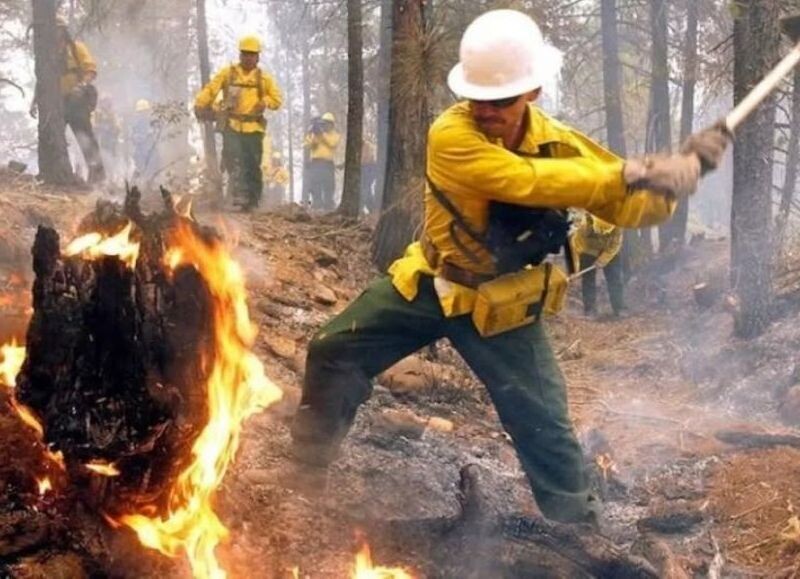
The main points of attention are concentrated in rural and mountainous areas, where provincial and national brigades maintain combat, containment, and permanent vigilance operations against the risk of reactivation. One of the most sensitive areas continues to be Lanín National Park, where secondary outbreaks linked to dry thunderstorms and lightning strikes have been detected in recent days. In Chubut, the largest-scale fires are concentrated, with thousands of hectares of Andean-Patagonian forest razed, while in Río Negro, active outbreaks persist in rural and interface areas. These conditions are generating smoke columns that affect visibility and air quality in various localities in Neuquén, especially when prevailing winds carry particulate matter from the west and southwest.
The coordinated response operation includes brigades from the Provincial and National Fire Management Systems, volunteer firefighters, aerial assets, and interprovincial logistical support, with a priority on protecting populations, critical infrastructure, and protected natural areas. Authorities have emphasized that a significant proportion of the fires are of human origin, leading to intensified controls and restrictions on high-risk activities. The Neuquén provincial government reiterated its call for the population to take extreme prevention measures, avoid any type of burning, respect the current prohibitions, and immediately report the presence of smoke or fire.