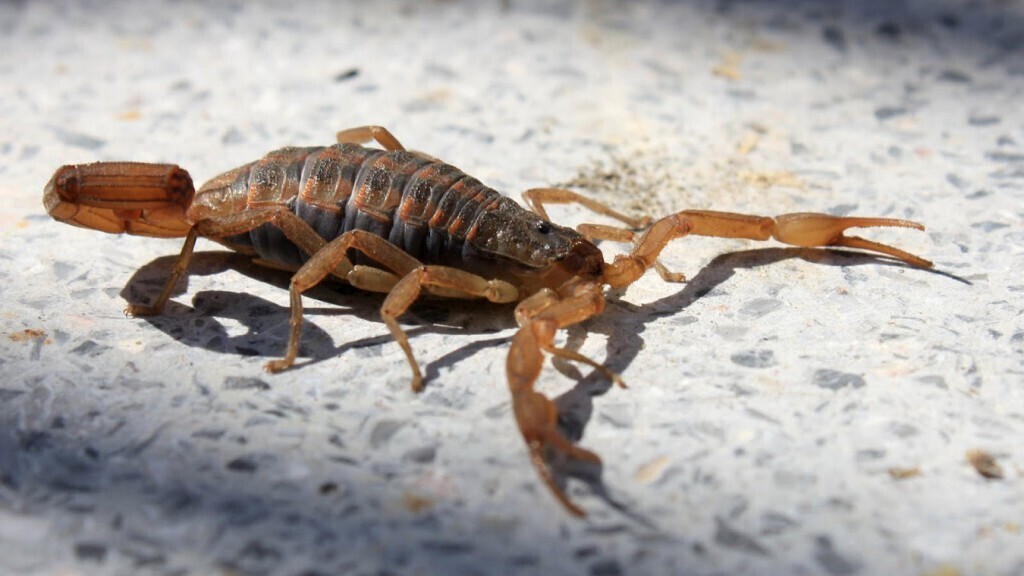
In Argentina, scorpionism cases decreased by 6% in 2025. Between weeks 1 and 53, a total of 8,933 cases were recorded nationwide, down from 9,422 cases reported in 2024, according to a report from the National Epidemiological Bulletin (BEN). The analysis shows a similar seasonal pattern in both years, with an increase in cases during the warmer months when weather conditions are more favorable for scorpion activity. The regions with the highest number of cases are NOA with 4,950 confirmed cases and Centro with 3,711 cases, as they together account for 96.6% of the total. Tucumán and Córdoba were the provinces with the most reported cases, while Jujuy and CABA reported the largest increases compared to 2024, with an 80% and 75% rise, respectively. In 2025, 56.4% of the cases were concentrated in the 5 to 39 age groups, with the highest rates observed in the 25-29 and 0-4 age groups. A scorpion sting can be especially dangerous for children, the elderly, and people with pre-existing diseases, while the victim's body size is a relevant factor, as individuals with lower weight are more sensitive to the same venom dose. In most mild poisoning cases, clinical observation for a six-hour period is sufficient to monitor its progression. Conversely, in cases of moderate or severe systemic poisoning, hospitalization in an intermediate or intensive care unit is required for continuous cardiac monitoring and strict control of the internal environment. The National Institute of Biological Production (INPB) of ANLIS Malbrán is the only producer of antivenoms for treating accidents caused by medically important venomous animals in Argentina. It currently produces eight different types of antivenoms, including the scorpion antivenom, and supplies them to health establishments across the country. On several occasions, it has also made donations to countries in the Americas region upon request to respond to health emergencies. From its role as a guiding body, the Ministry of Health of the Nation performs a periodic analysis of scorpionism notifications and the health response, and supports the jurisdictions in the continuous training of health teams and the preparation of updated documents.