The Ministry of Health of the Nation calls on jurisdictions to strengthen the early detection and study of reported dengue cases, while reminding of the care measures that should be adopted by those traveling to countries with the presence of the disease.
According to a report from the health ministry accessed by the Argentine News Agency, the start of the 2025-2026 dengue season in the country presents a low-risk scenario, with sustained interruption of autochthonous transmission. To date, 12 cases have been confirmed, of which only 4 are autochthonous and 8 correspond to people with a travel history to Mexico, Brazil, Sri Lanka, Paraguay, and Cuba.
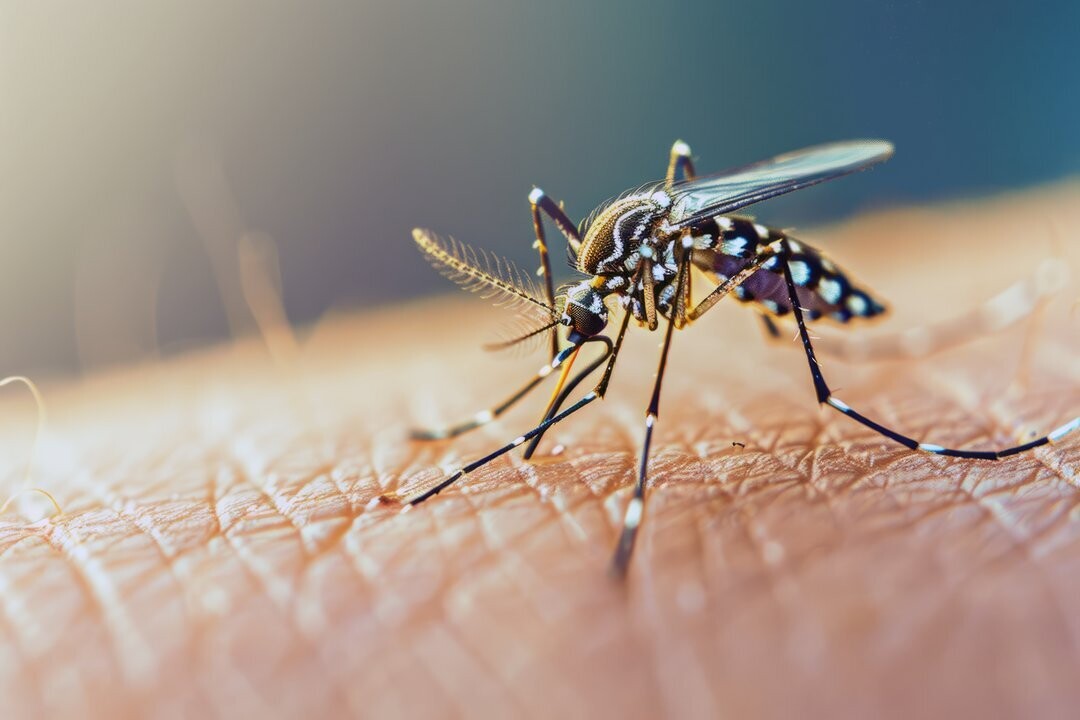
However, the circulation of the virus in several countries in the region and the seasonal increase in the activity of the Aedes aegypti mosquito in different provinces of the country require reinforcing prevention measures to prevent the introduction and spread of imported cases.
This strengthening takes on particular relevance given the expected increase in the circulation of people in the coming weeks, caused by the holidays and vacations within and outside the country. In this regard, the Ministry of Health of the Nation recommends that people traveling to countries with dengue and other arbovirus circulation take measures to protect themselves from mosquito bites and avoid contagion.
These include the use of repellents, especially in the early morning and evening hours when the mosquito is most active.
"Julio I. Maiztegui" (ANLIS Malbrán) have initiated a work of support for jurisdictions to strengthen the early detection of cases and timely diagnosis, which includes the development of a federal surveillance strategy and the delivery of supplies.
The detection of two DENV-3 cases in people with a travel history in recent weeks evidences the need to maintain timely surveillance, which includes serotyping and the use of direct diagnostic methods.
In this sense, the Ministry of Health of the Nation and the National Institute of Human Viral Diseases "Dr. ..." also suggest wearing light-colored clothing that, if possible, covers arms and legs, using spirals in outdoor spaces and tablets in indoor environments, and protecting beds, cribs, and strollers with tulle or mosquito netting.
Meanwhile, in the presence of symptoms compatible with the disease, it is also recalled that one must immediately consult the health system without self-medicating, while the national health ministry also recommends continuing the elimination of possible breeding sites and it is essential to discard unused objects that can accumulate water, turn over, cover, or change the water of those that cannot be eliminated, and unclog gutters or drains.
Additionally, those people who are going to travel or leave their homes for several days must take special care with these measures to prevent water from accumulating during their absence, which could become mosquito breeding sites.
Currently, 16 countries on the continent register dengue circulation, and Brazil concentrates, by a wide margin, the highest absolute number of cases, while others with high accumulated notifications are Mexico, Colombia, Guatemala, Peru, Honduras, Costa Rica, and Ecuador.
Regarding the serotypes, Brazil, Costa Rica, El Salvador, Mexico, Panama, and Puerto Rico present simultaneous circulation of the four dengue serotypes, while Bolivia, Peru, and Paraguay show circulation of multiple serotypes, highlighting the presence of DENV-3 in all three countries.
In Argentina, autochthonous circulation of the DENV-1 and DENV-2 serotypes was recorded in 2025.