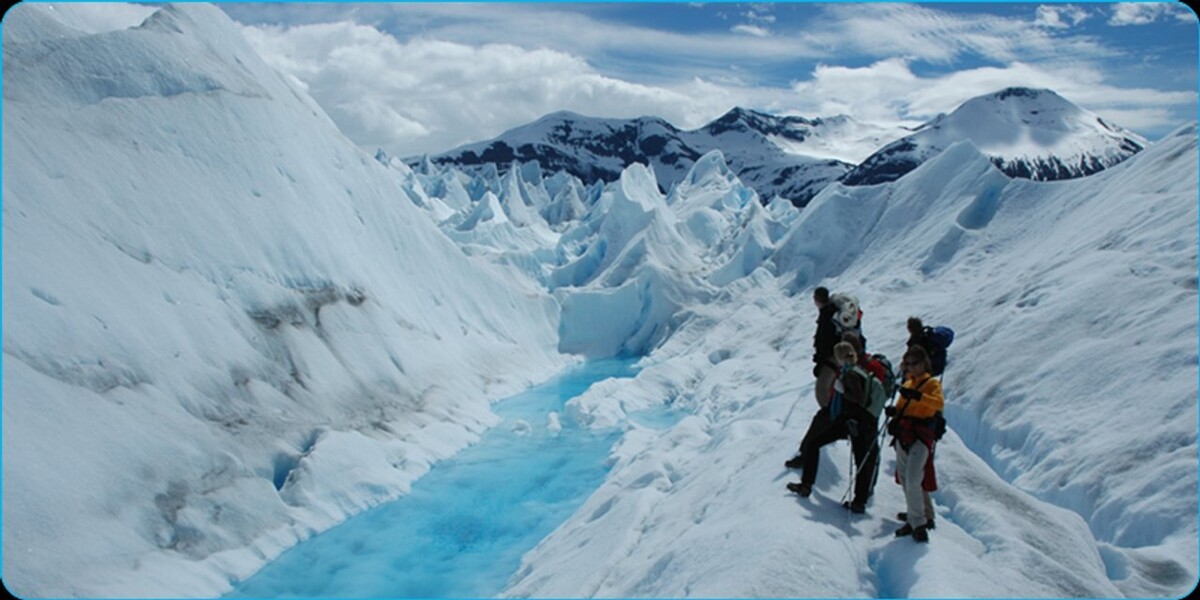
Almost 2 billion people, including many indigenous peoples, depend on mountain water for their daily needs, livelihoods, and cultural practices. This highlights the vital role of mountain regions. In five of the last six years, glacier retreat has been the fastest ever recorded. Some 600 glaciers have already disappeared, and many more will vanish if temperatures continue to rise. Currently, over 15 million people worldwide are highly vulnerable to floods caused by glacial lakes.
Since 2003, the International Mountain Day has been celebrated annually to raise awareness about the importance of mountains for life, and to highlight the opportunities and limitations in their development. According to Agencia Noticias Argentinas, this year's theme is "Glaciers are vital for water, food, and livelihoods in mountains and downstream regions," aiming to underscore the fundamental role of mountain areas as the world's water towers and to advocate for immediate measures to prevent glacier disappearance.
Glaciers are much more than beautiful landscapes; they are a source of life for ecosystems and communities, as they hold about 70% of the world's freshwater. Their accelerated melting signifies not just an environmental but also a humanitarian crisis, threatening agriculture, clean energy, water security, tourism, and the lives of billions of people, the UN states. Glacier retreat, caused by rising global temperatures, is a clear indicator of the climate crisis. This phenomenon increases the risks of flooding, glacial lake outbursts, landslides, and greater problems of erosion and sedimentation. All of this endangers populations and vital infrastructure located downstream.