Buenos Aires, November 26 (NA) – 47% of people aged 16 to 25 are at risk of developing an eating disorder due to intensive social media use and exposure to unrealistic body models, according to a study from the Department of Dietetics at the Faculty of Public Health in Bytom.
The pressure exerted by online hyperconnectivity directly links increased body dissatisfaction with the adoption of harmful eating behaviors, is the conclusion reached by the study accessed by the Argentine News Agency. Constant comparison with idealized bodies, fueled by filters, editing, and algorithms that reward perfection, is elevating body distress and triggering risk behaviors in adolescents and young people.
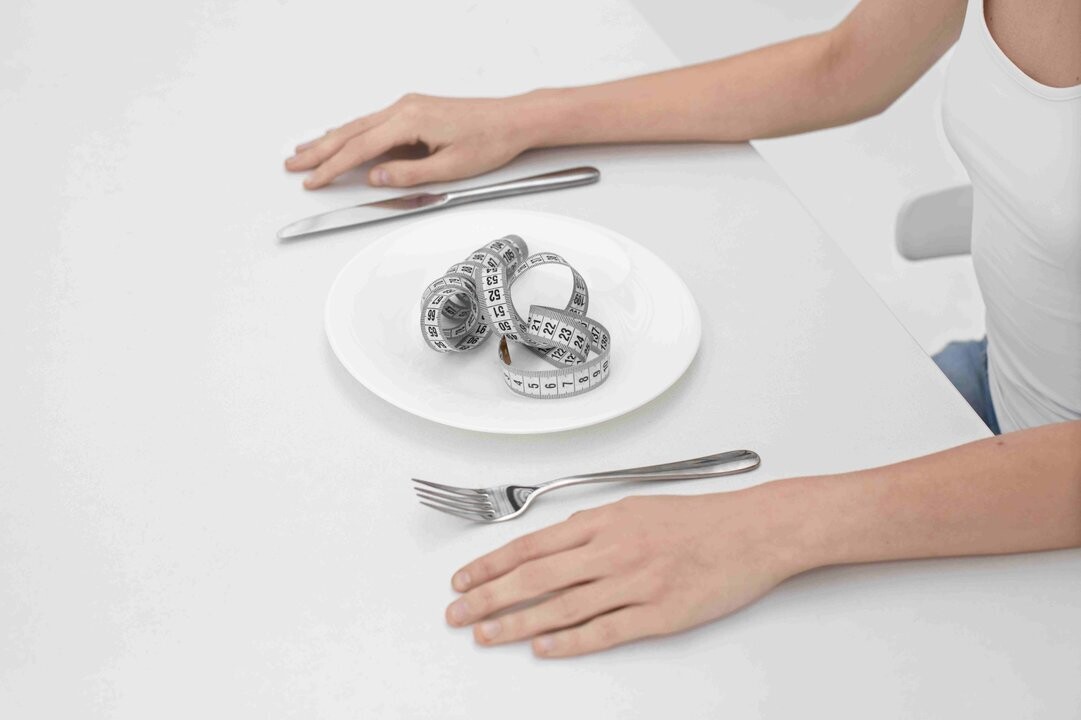
On the International Day of the Fight Against Eating Disorders (EDs), there is an alert that cannot be ignored: young people are going through an increasingly painful relationship with their body image. Aesthetic pressure has ceased to be sporadic. Today it happens every time an app is opened, every time you scroll, every time a photo is uploaded.
Mexican science master Ana María Balboa Verduzco also stated that constant exposure on social media to unrealistic stereotypes and distorted content about body image has become one of the most alarming risk factors for the development of eating disorders among adolescents and young people, according to a report from Xinhua News Agency.
Digital Mirror Bodies are compared, rated, and exposed. And this digital mirror, far from being neutral, is designed to amplify what hurts.
«Eating Disorders often appear as desperate attempts to regain a sense of control over the body and one's own life. When the outside world demands perfection, the person feels they never achieve it, and this void can transform into deep suffering», says Maria Aldana Peretti, a Nutritionist at Boreal Salud.
This context not only affects self-esteem: it can influence the relationship with food, exercise, and the body itself. Skipping meals, eating in secret, obsessively counting calories, compulsively training, or avoiding social situations with food are some of the warning signs that family, teachers, and friends should observe.
EDs are not a phase or a choice: they are serious diseases that require clinical attention and emotional support.
Nutritional Perspective From a nutritional perspective, early intervention is key. «The goal is not just to recover weight or modify eating habits. It is to rebuild a safe relationship with the body, with food, and with oneself. And that requires time, containment, and an environment that accompanies without judging», highlight Boreal Salud.
Prevention begins by changing the conversation: stop talking about the body as a measure of personal worth, question messages that associate beauty with extreme thinness or muscularity, and promote environments where body diversity is respected and visible. It is also necessary to review how we use social networks: take breaks, learn to distinguish the real from the constructed, and remember that an image does not reveal anyone's entire life.