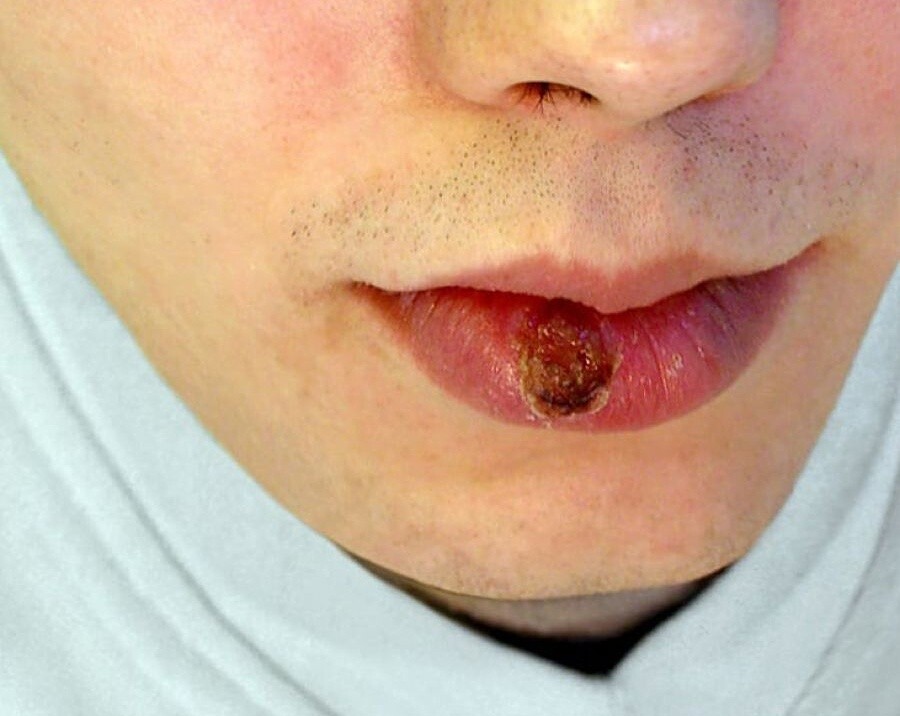
It's back because the public health system is being dismantled while the government promises order but executes sanitary chaos.
The question, then, is a different one. It is not medical, technical, or bureaucratic. Syphilis is growing again across the country just as the government dismantles programs, eliminates policies that had shown extraordinary results, and applies cuts that confuse saving with abandonment.
Syphilis is reappearing in neighborhoods where public health barely breathes, among young people left without campaigns, in maternity wards that have lost control, and in provinces that depended on national support that no longer arrives.
Nothing is more predictable than this announced epidemic.
➤ The curve that goes up as the State shrinks
The latest Epidemiological Bulletin shows a sustained increase in syphilis in almost the entire country. This means the program not only saved lives, opportunities, and futures; it also saved money. But even so, it was dismantled. A country that eliminates what works is a country that has chosen to go backwards.
➤ Syphilis, inequality, and the silent debt
Syphilis does not spread in a vacuum. How much is a life really worth to the State? By El Búho.
Syphilis has returned. It returned because someone left the door open: the State. In Argentina, social ghosts always return the same way: when public funding is cut, when what should grow is shrunk, when what sustains the common good is abandoned.
When public health is defunded, diseases return, they always return, as if the country were condemned by decree to repeat its own tragedy. Today, syphilis is not just an infection: it is the mirror that reflects a political project that considers health an expense, not an investment.
➤ The open ending that no one wants to see
Syphilis is back because the ties that contained it have been loosened. The underlying disease is regression.
And this is what makes the regression even more bitter. The data shouts: The ENIA Plan reduced the adolescent fertility rate by 50% between 2018 and 2023. It prevented 94,000 unintended pregnancies. It carried out more than 260,000 comprehensive sexual health counseling sessions. 250,000 adolescents accessed long-acting contraceptive methods. In Jujuy, adolescent fertility fell from 28.5 to 7.5 per thousand. In Tucumán, from 31.6 to 11.7 per thousand. And as if that were not enough, studies estimate that the State could save 140 million dollars by preventing adolescent pregnancies through policies like ENIA.
Every peso not invested today multiplies tomorrow into hospitalizations, risky births, congenital syphilis, preventable disabilities, and chronic diseases that will last a lifetime. The mathematics of sanitary adjustment is always perverse: what is cheap today is very expensive tomorrow. Cutting STI prevention is like saving by not changing your car's brakes: it may seem frugal, but it is actually reckless.
➤ History had already warned
Argentina already knows how this story ends: it happened with vaccination, with HIV, with dengue, with measles. And how much are we as a society willing to normalize? The outbreak is just the symptom. It is a moral question: how much disease is a government willing to tolerate to sustain an austerity policy? Congenital syphilis — the cruelest, which is 100% preventable if detected and treated in time — is on the rise again as if the country's health history had taught it nothing. But while the indicators worsen, the national State is doing the exact opposite of what it should be doing.
Program 22, the backbone of STI, HIV, and hepatitis prevention, is suffering one of the sharpest cuts in recent years: a 38% reduction in dollars for 2026 compared to 2024. Its participation in the Ministry of Health's budget falls from 4.8% in 2023 to the 2% projected for 2026. The purchase of 23 million fewer condoms is planned in a country where STIs are on the rise. The state production of educational materials is eliminated, and territorial actions that guaranteed prevention in neighborhoods, schools, and health centers are halted. The purchase of neither PrEP nor PEP is planned, key tools to prevent new infections. Shrinking prevention in the middle of an outbreak is like putting out a fire by removing the hoses. And yet, that is what is happening.
➤ When prevention is cut, the human cost grows
The evidence is overwhelming: when prevention is weakened, diseases spread faster than any narrative. The same thing happened when the ENIA Plan, the most effective public policy of recent years to prevent adolescent pregnancy, was dismantled. It was not withdrawn for being ineffective, but by political decision. It grows where an absent State forces a choice between food and health. It also grows where the debt of households —that silent debt that drags millions of families— becomes incompatible with any form of care.
It is no coincidence that the reopening of old epidemics occurs in a country where: household debt with girls and adolescents grows, programs are cut, campaigns are halted, teams are dismantled, and the State's presence on the territory is reduced. When the public retreats, the preventable advances.
➤ The Government and the paradox of adjustment: saving where it costs the most
Those who defend the cuts speak of efficiency, but the epidemiological numbers show something else: no saving is possible when public health is cut. It did not return alone, nor by surprise, nor out of a biological whim. It grows where inequality grows. It returns because those who should be preventing are shrinking. The return of the disease is not an isolated data point: it is the symptom of a model that decides to retreat from where it is most costly to retreat. It grows where people no longer have time, money, or transportation for a check-up.