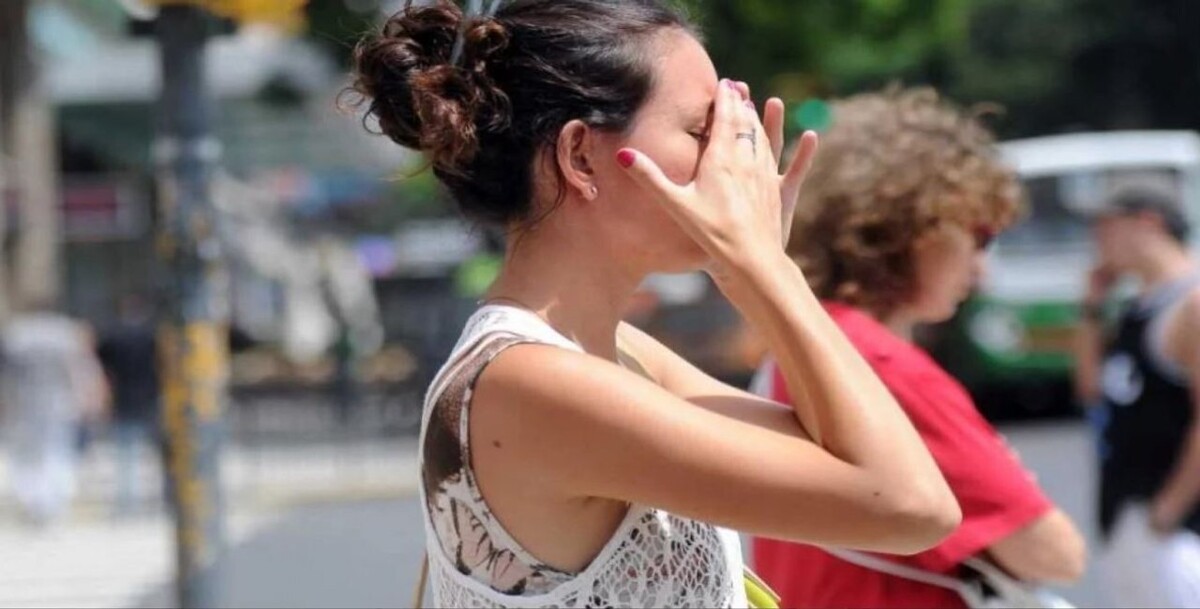
The heat has arrived to stay in much of the country. Beyond a few tranquil days, the National Meteorological Service (SMN) has already announced that three months with higher-than-usual temperatures are coming for most of the country. According to meteorologists from the SMN, in the central part of the country, where the heat is strongly felt this Saturday, November 15, there will be relief in the temperature readings after the expected rains, some of which will be heavy. Heat Wave: How the Weather Continues One of the cities in the central region that is suffering the most from the heat is Córdoba: in the provincial capital at noon, the thermometer exceeded 30 degrees, but after the afternoon rains, the temperature will drop, and there will be some relief on Sunday. Another city experiencing an early summer, something tourists appreciate, is Mar del Plata, which had a full morning sun with temperatures approaching 30 degrees. In the 'Happy City', rain is expected towards the night, which will cause a drastic drop in temperatures, a situation that will persist throughout the coming week. In the cities of Rosario and Santa Fe, a similar panorama is unfolding, with temperatures hovering around 30 degrees at noon, but after heavy rains, there will be two days of relief, Sunday the 16th and Monday the 17th, before the strong heat returns. Finally, in the City of Buenos Aires and the Buenos Aires Metropolitan Area (AMBA), the heat is being felt, and after the heavy rains expected at night, the temperature readings will drop, and there will be a few hours of relief in the entire AMBA area. SMN Recommendations for Strong Storms: Do not take out the trash. Always have an emergency backpack ready with a flashlight, radio, documents, and a phone.