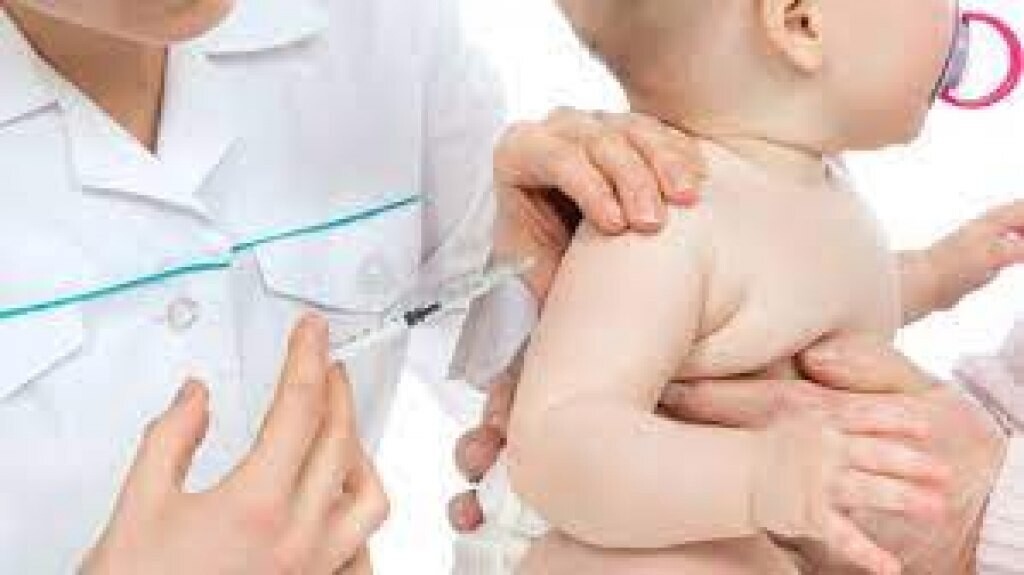
Vaccination is a complex process that stimulates the immune system to produce antibodies that help prevent infections. For people over 65, the Ministry of Health recommends keeping their boosters up to date, completing pending schedules, and getting vaccinated against the flu and pneumococcus, included in the Vaccination Calendar. In a context where it is necessary to strengthen vaccination coverage, Burgos proposes incorporating vaccines as part of lifelong care habits—from pregnancy, childhood, and adolescence to older adulthood—which is essential for preventing diseases, avoiding outbreaks, and promoting a healthier life. The importance of incorporating immunization as part of a healthy lifestyle and keeping vaccination schedules updated throughout all stages of life was one of the central topics at the Health Journalism Seminar attended by the Argentine News Agency. “Vaccination not only protects the individual but also contributes to herd immunity, safeguarding those who cannot be vaccinated, such as infants or immunocompromised people,” stated Fernando Burgos, a pediatrician and member of the Scientific Department of the Vacunar Foundation. The specialist explained that immunization is one of the most effective strategies of modern public health, as it prevents diseases, reduces mortality, and avoids serious complications, while also recalling that vaccines allowed for the eradication of smallpox and drastically reduced diseases such as polio, measles, or rubella. According to the latest National Report on Coverage of the National Vaccination Calendar (September 2025), doses administered in the first months of life show higher coverage—such as BCG (87.1%), neonatal Hepatitis B (83%), or Pentavalent/Hexavalent (84.7%)—while boosters drop significantly, with values ranging between 65% and 75%, and even falling below 50% in the case of the triple viral or varicella in five-year-old children. The pediatrician warned that not vaccinating children and adolescents on time exposes the population to vaccine-preventable diseases that can have serious or even fatal consequences and reduces the possibility of antibiotic resistance. “Measles, for example, can cause pneumonia or encephalitis, while pertussis is especially dangerous in young infants. Additionally, delaying vaccines weakens community protection and increases the risk of outbreaks,” the expert noted. In the same vein, he highlighted the benefits of vaccination during pregnancy, especially against influenza, tetanus-diphtheria-pertussis, and respiratory syncytial virus (RSV), as they protect both the mother and the baby during the first months of life. On the other hand, he emphasized the importance of moving toward differentiated vaccination schedules, designed according to each person's age, health conditions, and risk factors to ensure optimal protection against infectious diseases. “Vaccination is not limited to childhood; it must accompany us throughout our lives. The immune system changes over time, and as we age, it becomes less efficient at responding to infections, a process known as immunosenescence. Virginia Verdaguer, Medical Director for MSD Cono Sur, stated: 'Vaccination is a powerful tool to protect yourself and your loved ones from preventable diseases. Keeping schedules updated allows for reinforcing natural defenses and reducing the risk of serious complications,' said Burgos. In turn, Dr...