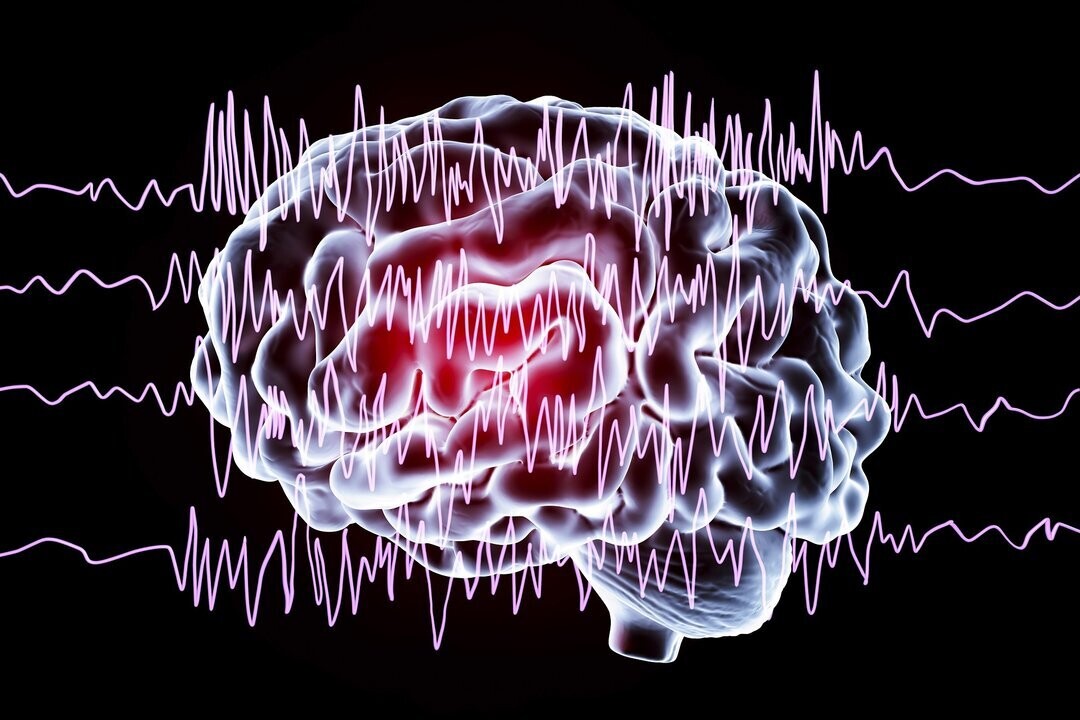
Lennox-Gastaut syndrome (LGS) is a rare and severe developmental epileptic encephalopathy that begins in childhood and is characterized by drug-resistant seizures, cognitive developmental delay, and a characteristic electroencephalographic pattern. It affects approximately 1% to 2% of all patients with epilepsy. Last Saturday marked World Lennox-Gastaut Syndrome Day, an opportunity to raise visibility for this rare condition and raise awareness about the importance of its proper identification and management.
The typical age of onset is between 3 and 5 years, although it can present from age 2. The most frequent seizures manifest as sustained and brief muscle contractions (tonic seizures), often nocturnal or upon waking, or a loss of muscle tone (atonic seizures) that causes sudden falls with a high risk of injury from trauma. It also causes atypical absences (the child 'freezes' for several seconds until they react, without a start or end as clear as typical absences).
Dr. Pablo Jorrat, a pediatric neurologist specializing in epilepsy and coordinator of FLENI's Ketogenic Therapy Program, stated that in up to 60-75% of cases, through complementary studies such as brain MRI, genetic and metabolic studies, it is possible to identify the cause of this syndrome in each patient, which allows for a personalized therapeutic approach to achieve the best possible results. The causes of this syndrome are varied and may include cortical malformations, neonatal hypoxic-ischemic injuries, tuberous sclerosis complex, brain infections, and genetic mutations.
It is a chronic disease that progresses and often persists into adolescence and adulthood, with a high rate of resistance to anti-seizure medication. The specialist described that the impact on the quality of life from the disease is considerable: "Frequent epileptic seizures, intellectual and behavioral difficulties, uncertainty and a certain helplessness while it seems that there are no medications that improve the picture, and an interdisciplinary approach is required with the support of multiple health professionals".
The treatment for this syndrome is complex and requires professionals experienced in refractory epilepsies. It involves pharmacological and non-pharmacological strategies such as ketogenic therapy, vagus nerve stimulation, and epilepsy surgery for those cases that are candidates after evaluation by a specialized team.
One of the therapeutic tools that constitutes an alternative in the treatment of LGS is ketogenic therapy, which consists of a diet high in fats, adequate in protein, and restricted in carbohydrates, inducing metabolic changes in the body that present multiple anticonvulsant mechanisms and have a potential effect on comorbidities of refractory epilepsy such as cognition, behavior, and sleep.
In the specific context of this syndrome, different retrospective studies and reviews have shown that approximately half of the children treated with ketogenic therapy achieve a reduction of at least 50% in the frequency of epileptic seizures. More recent studies also confirm that this approach is safe and effective for LGS. The benefits of ketogenic therapy in Lennox-Gastaut syndrome go beyond mere seizure reduction: some reports point to improvements in cognitive performance, behavior, and sleep, achieving a positive impact on quality of life, although these data require greater robustness.
Dr. Jorrat added that the early introduction of ketogenic therapy could be associated to better outcomes: "This approach, which we neurologists have known for a long time, but to which we are increasingly encouraged to prescribe, requires follow-up and interdisciplinary work with a nutritional team and support for the families, because it requires commitment and dedication, but without a doubt it is increasingly positioning itself as a relevant therapeutic option within a comprehensive plan, especially in drug-resistant cases".
In this sense, the path with a disease like Lennox-Gastaut syndrome can be very challenging, which is why it is vital to build bridges so that parents, mothers, and caregivers in general do not feel alone. Evangelina, the mother of Sofía, who suffered from refractory epilepsy but has been seizure-free for several years thanks to ketogenic therapy, stated:
"Accompanying families is as important as the treatment itself. Getting to know the experiences of others who are going through similar challenges brings a lot of value and can alleviate the burden for all members of the family".
Particularly, from her Instagram profile CocinarXamor, Evangelina shares ketogenic recipes, preparations that can facilitate the task for others or serve as inspiration, and in this way a digital community of families who wanted to know more about ketogenic therapy or are about to start it and approach with their concerns, questions, or simply ask for information was formed.
Faced with a complex disease such as Lennox-Gastaut syndrome, the articulation between medical teams, nutritionists, families, and patient groups is key to improving the quality of life for those who present it. The combination of scientific knowledge, emotional support, and support networks allows to transform the journey of families: from initial uncertainty to a more contained, informed, and hopeful path.