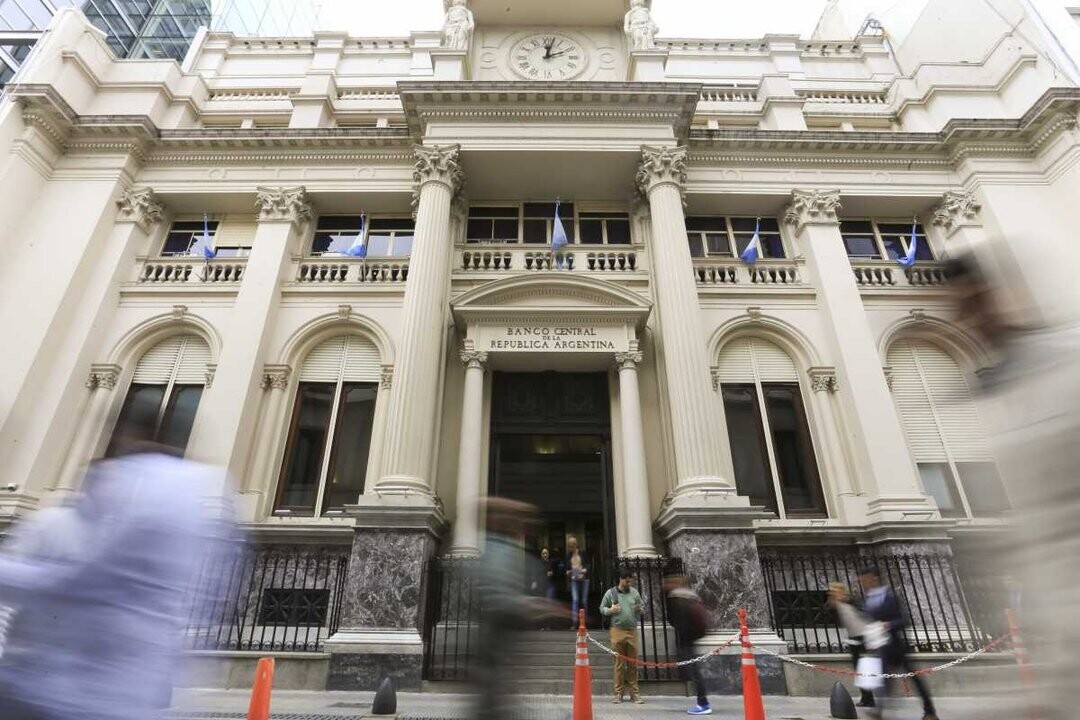
The Central Bank has decided to lower bank reserves by 5 percentage points starting in April, so that there is more money circulating and greater lending capacity by the banks. The BCRA Board decided not to extend the rule that had established a 5 percentage point temporary increase in reserves in bonds. According to the Argentine News Agency, reserves had reached their highest level in the last 30 years. Bank reserves are a percentage of deposits in pesos or dollars that banks must keep immobilized in the Central Bank. Every time a customer makes a deposit, under any instrument, the bank transfers part of those funds to an account at the BCRA where they are immobilized or 'deposited'. Its objective is to guarantee sufficient funds in the face of massive withdrawals and operates as a monetary policy tool, since its modification directly affects the amount of circulating money, with a direct impact on inflation. Starting April 1, the monetary scheme will be relaxed with the intention of accelerating the remonetization process that the Government is trying to carry out, to launch the economic reactivation. The measure is adopted in the middle of the tough recessionary moment that some economic sectors are going through, such as industry and SMEs. The reduction of reserves from April will affect all types of peso deposits, such as current accounts, savings accounts, deposits and money market funds, those that use virtual wallets (and some banks) to remunerate the balances of their customers.