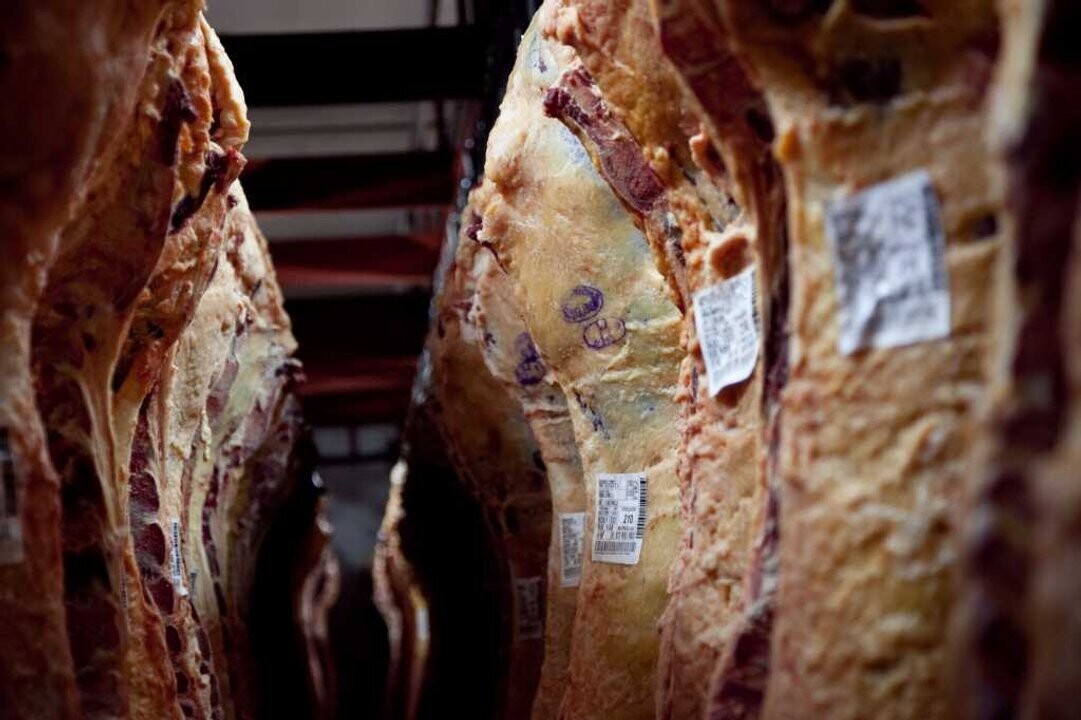
In February, beef cut prices rose 7.4%, well above the average monthly inflation rate, according to data from meat packers enrolled in CICCRA. The rump and rump cap led the increases with rises close to 8%, followed by the shoulder (8.1%) and minced meat (7.1%). At the level of individual cuts, the increases are even more marked: the roast beef has accumulated a 67.6% increase in the last year, followed by the rump (65.9%), the shoulder (65.7%), the rump cap (62.1%), and minced meat (56.6%). On average, the price of beef cuts rose 63.6% year-on-year, well above the general level of inflation, which stood at 32.2%. Although some components of the food sector showed a slowdown—such as fruits and vegetables, which even recorded monthly declines—meat once again consolidated itself as one of the main focal points of pressure on the index. Even so, on a year-on-year basis, chicken continues to show a smaller increase (+45%), which implies a relative depreciation compared to beef cuts. The strong increase in meat prices is largely due to a price rebalancing after a drop in cattle supply, affected by adverse weather conditions in previous years. The roast beef, for its part, increased by 5.7%. The kilo of roast beef was priced at around $16,850, while cuts such as the rump and rump cap already exceed $19,000 and $20,000, respectively. Meanwhile, whole chicken recorded an even greater increase of 10.2% monthly, according to the Argentine News Agency. This factor has been pushing up the prices of live cattle and is directly passed on to consumer prices. In the year-on-year comparison, the 'meat and derivatives' category continues to lead the increases within food, with a rise of 54.1%.