Argentina is home to some of the world's largest shale oil and gas reserves. The country holds the world's second-largest shale gas reserves (802 trillion cubic feet) and the fourth-largest shale oil reserves (27 billion barrels). The Vaca Muerta shale play spans 30,000 square kilometers with a rock formation up to 450 meters thick. The oil found is of high quality, classified as "light, sweet crude" with an API gravity of 35-45, making it a delight for any refinery.
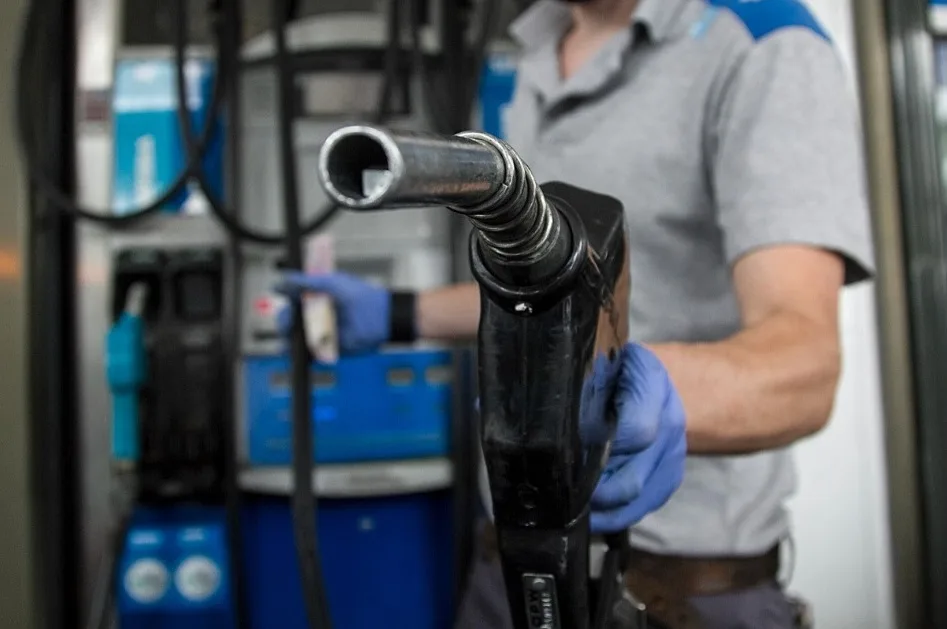
In March 2026, with the Strait of Hormuz blocked—accounting for 20% of global oil trade—Vaca Muerta could have flooded the globe with cheap energy. Yet, in Argentina, fuel prices remain among the highest. A liter of Premium gasoline costs USD 1.51, with a staggering 72% of that price being taxes and fees (IVA, Fuel Tax, Gross Income Tax, municipal levies, etc.).
The author describes this as the "paradox of abundance." Instead of using its riches to fuel the economy, the country is burdened by a fiscal system that stifles industry and lowers the standard of living. While neighbors like Brazil and Chile have developed state-level strategies to harness their energy resources, Argentina has spent decades squabbling over bureaucracy, failing to solve critical infrastructure issues.
Consequently, despite its immense potential, Argentines pay for fuel at prices comparable to imported perfume, and the average salary is a mere fraction of that of a worker in Texas or Norway. The system, the author argues, leaves citizens feeling powerless and mistreated.