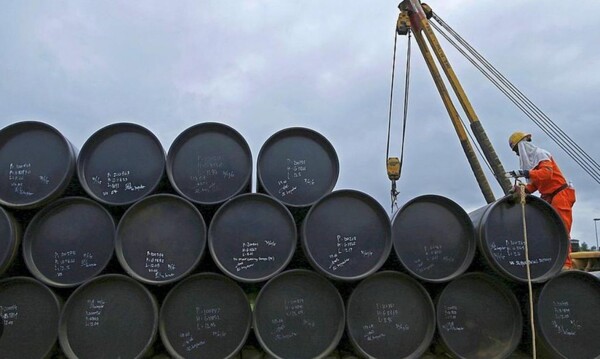
In 2025, Argentina spent about US$9.2 billion on imported energy; this year it will need to import less, but the rise in oil and gas prices will undoubtedly impact the national accounts. In this sense, it will lead to an increase in state subsidies to companies in the sector and generate some inflation (it could be an increase of up to around 0.7-1 percentage point extra per month) because freight and production will be carried out with more expensive energy. If that happens, grain prices could fall by up to 15%. Low reserves: Argentina still has negative net reserves (around US$9 billion). A major energy shock could force it to seek more external aid (possible but unlikely). Conclusion: the future challenge will be our decision-making in this context. The conflict in the Middle East gives Argentina a unique window: to turn a global problem into investment and growth. (It's worth remembering Menger's principle of imputation: if prices rise and there are no sales, either lower the prices or don't sell). Short-term summary: Estimated net gain for the first months of 2026: about US$1.4 billion more in the trade balance, but with some more inflation and pressure on public spending due to energy subsidies. Long-term: Vaca Muerta – a strategic asset. Projected exports: the conflict makes the world look for oil and gas suppliers outside the Middle East. Argentina has Vaca Muerta. In January 2026, Argentina produced a record 882,200 barrels of oil per day (+16.5% more than the previous year). Almost 70% of that oil comes from Vaca Muerta. Gas also set a record: 26.7 million cubic meters per day. With oil above US$80-90 per barrel (the production cost in Vaca Muerta is between US$45 and US$55), internal profitability rises a lot (30-35%). The negative (energy): More expensive oil makes fuel and gas imports more expensive. The escalation of tensions in the Middle East, with attacks in the Red Sea and threats to the Strait of Hormuz (through which almost 20% of the world's oil passes), has caused a sharp increase in international energy and grain prices. Soybeans on the Chicago market (CBOT) are trading between 1,150 and 1,180 cents per bushel, which is equivalent to approximately US$441 per tonne according to Bloomberg. Analysis: For Argentina, a country that sells food on a global scale, as well as oil/gas and considering that it buys energy in some months, this scenario creates tension in decision-making. Short-term: More dollars from agriculture, but energy is more expensive. The positive (agriculture): Argentina exports soy, corn, and wheat for about US$18.5 billion a year. (New and promised laws, along with deregulation, also help with this). Gradually reduce export taxes on agricultural products so that producers continue to invest. Quickly finish infrastructure works (pipelines and ports) to be able to export more. World geopolitics opens a window, but the future is decided by what we do at home. The rise in international prices generates more dollars for every ton sold. For example, every 5% increase in soy generates around US$1,200-1,500 million extra in foreign currency. This improves the trade balance, alleviates pressure on the dollar, and strengthens the Central Bank's reserves. If we act with discipline and clear rules, Argentina can move from depending on international prices to becoming a strategic player in energy and food by 2030. Our destiny is not determined by Hormuz; we write it ourselves. Food: Argentina will have an improvement in its terms of trade as it can sell more soy, corn, and meat to China, India, etc., and also process those grains to obtain greater value (biofuels, protein flours). Risks not to be ignored: If the world 'cools down': a prolonged war can slow global growth (China and Europe will buy less). This attracts more foreign investment (Chevron, Shell, Exxon) and allows for more oil and liquefied natural gas (LNG) exports. Brent crude is located between US$85 and US$92 per barrel.