The external shock, which particularly hit travel and transport-related stocks, reshuffled the market map: energy and defense stocks rose, safe-haven assets remained firm, and a question mark hung over the local scene, where expectations are growing on how the Argentine market will open following President Javier Milei's legislative message.
In Europe, the reaction was immediate and broad. Even so, the overall picture made it clear that the conflict had firmly entered the fray: equity sales, a search for hedging, and a market sensitive to any news about maritime routes and energy.
The economic epicenter of the day was, once again, oil. With crude prices accelerating at the start of the week, investors flocked to oil and energy companies, which led the gains on European exchanges.
Traders' reading was straightforward: any blockage, restriction, or sustained risk on that route raises the risk premium, pressures energy costs, and reopens fears of imported inflation in different regions.
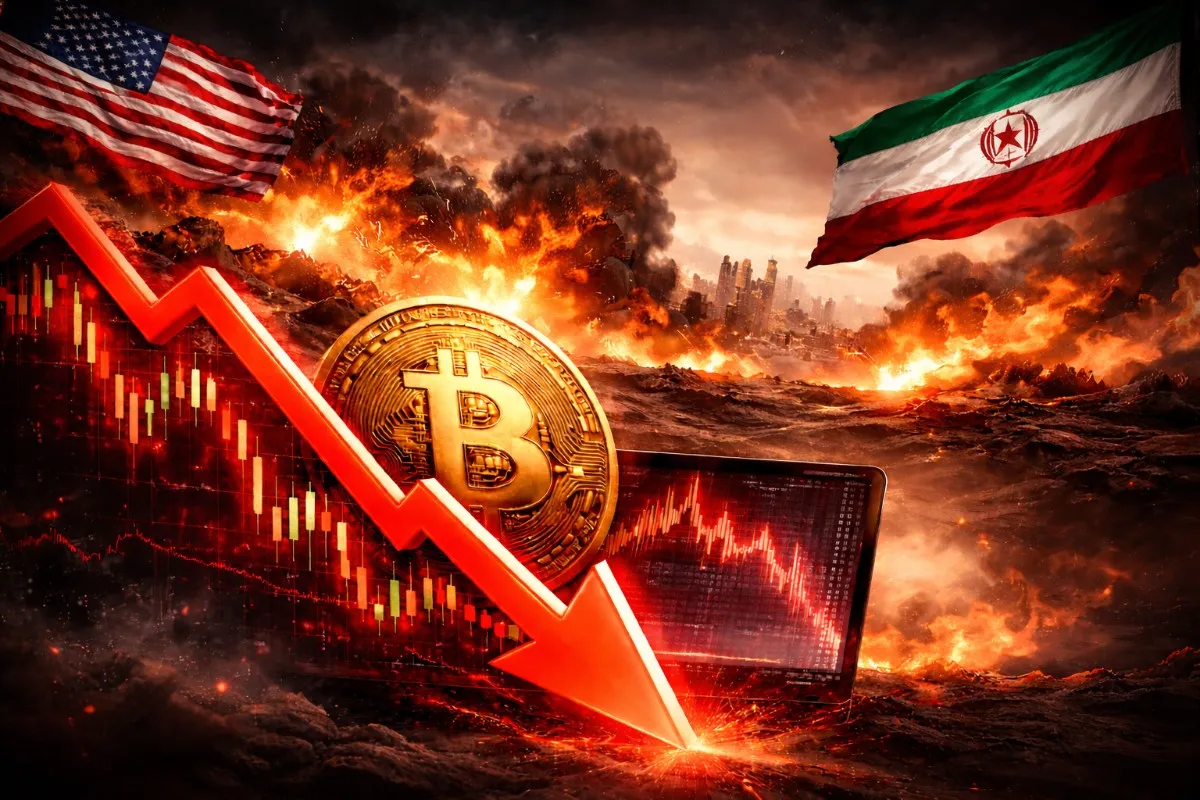
The ripple effect was also felt in gas and metals. The beginning of March brought a global jolt: European and Asian stock markets operated with widespread declines, and oil surged by around 13% amid the escalating conflict in the Middle East, with a focus on Iran following attacks by the United States and Israel.
And on that screen, every piece of news about the Strait of Hormuz, every signal of escalation or containment, and every move in oil can set the pulse for a week beginning with uncertainty abroad and expectations at home.
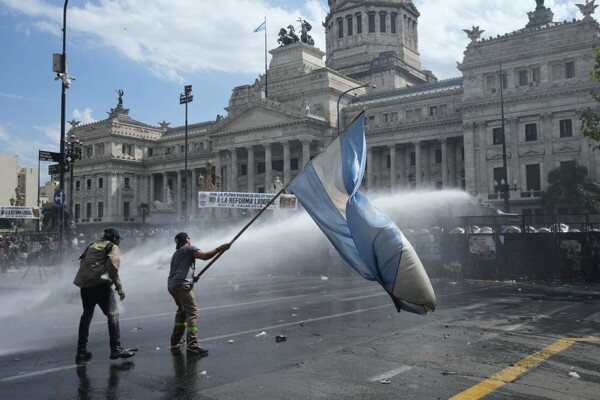
With a challenging global context, the domestic market will have to digest two forces simultaneously: the external shock (which usually hits first via country risk and regional valuations) and the official narrative of reforms, openness, and institutional reordering, which seeks to sustain expectations and attract capital.
The trading day leaves, for now, one certainty: the conflict in the Middle East has once again become the main gauge of global risk appetite.
In Europe, gas prices spiked sharply due to the threat to LNG exports from the Gulf, and the market began to price in energy stress scenarios again. At the same time, gold resumed its role as a safe haven with gains of nearly 2%, accompanied by increases in silver and more moderate movements in copper.
Thus, the combined board showed three typical signs of a geopolitical crisis: falling stocks, rising energy, and a rotation into defensive assets.
In parallel, the local focus remained in 'pre-opening' mode.
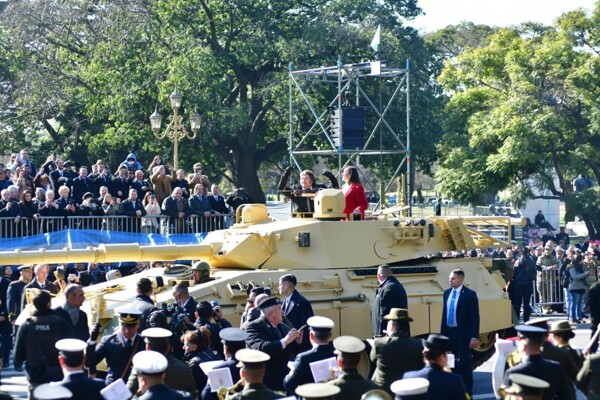
In Argentina, traders and investors are closely watching the impact of Milei's speech to the Legislative Assembly, where the President reaffirmed the roadmap for reforms for the coming months and proposed a dynamic of successive legislative packages.
At the open, the main markets were in the red, with losses in Paris, Frankfurt, Milan, Madrid, and London, in a climate of higher risk aversion and concern about an escalation that would directly impact energy supplies and logistics chains.
The punishment was concentrated in the tourism and aviation sector: the market penalized companies exposed to route restrictions, airspace closures, and rising fuel costs.
Stocks such as Shell, BP, Repsol, and Total Energies were among the day's winners, buoyed by expectations of higher margins if tension persists and supply disruptions or the rising cost of maritime transport continue.
In Asia, the tone was similar. Tokyo closed lower, and Hong Kong deepened its correction, reflecting the conflict's impact on global risk appetite.
Oil prices climbed to near 13% amid tension in the Strait of Hormuz, a strategic corridor through which a critical portion of global crude oil supply flows.
In this context, airline stocks and sector groups saw pronounced declines, with significant setbacks for companies like Air France-KLM and Lufthansa, and also weakness in Asian companies like ANA and JAL.
The reverse of that dynamic was marked by the energy sector.
In this framework, Brent—the benchmark in Europe—moved to around the $80 per barrel mark, while WTI—the benchmark in the United States—accompanied with double-digit gains.
A partial exception was Shanghai, which managed to post a marginal gain, supported by its own market dynamics and a more defensive reading of internal flows.
Buenos Aires - March 2, 2026 - Total News Agency - TNA -