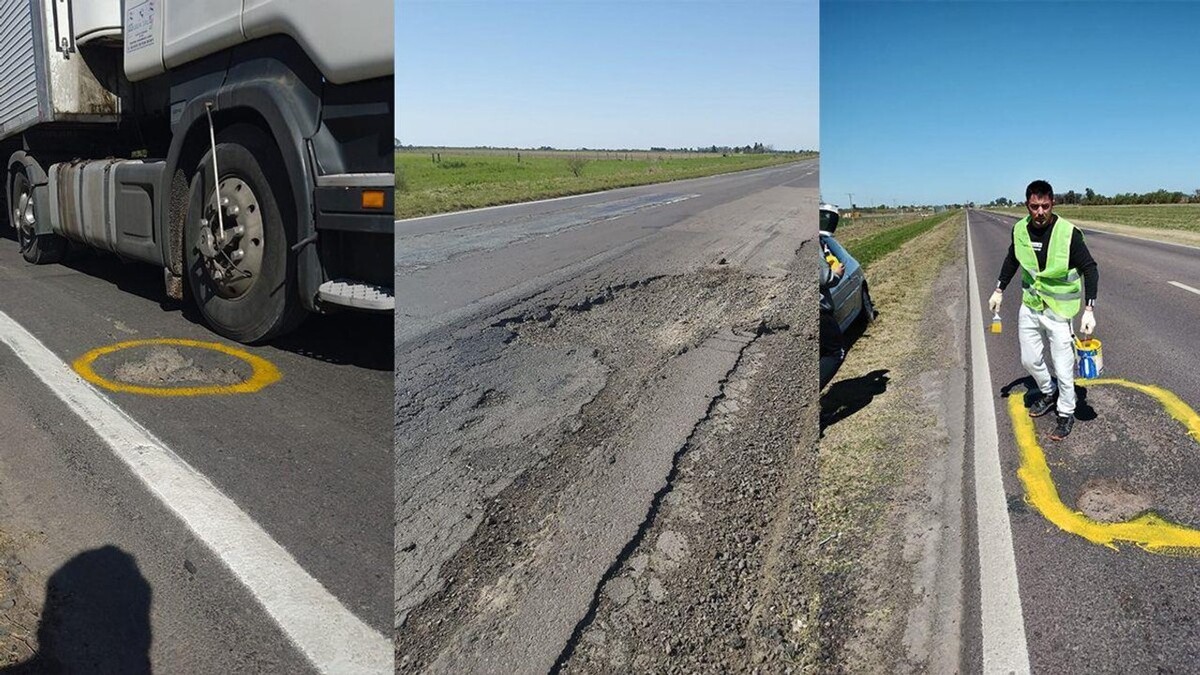
Argentina's state spending fell by 5.1 percentage points of GDP between 2023 and 2025, standing at 14.5% of GDP—the lowest in a decade. These data come from the latest report by Fundación Libertad, to which Noticias Argentina Agency had access. The adjustment was concentrated mainly in public works, economic subsidies, and current transfers, while social benefits came to represent nearly 66% of total spending. In contrast, pensions and retirement benefits explained a minimal reduction (0.13% of GDP), while family allowances and the Universal Child Allowance (AUH) were the only item showing growth, increasing by 0.22 percentage points of the product. Fundación Libertad argues that the spending cut during the Milei era focused on items unrelated to income policies or social benefits. Indeed, in terms of their share of total state spending, social benefits (such as pensions, allowances, retirement benefits, etc.) rose to about 66% of total spending in 2025, up from just over 54% in 2023. In contrast, there was a significant reduction in current transfers (subsidies to provinces, universities, etc.) and public works. Public Works In the 5.1 percentage point GDP cut, the most significant adjustment was seen in public works, which reflected a 1.24% drop in the product, bringing it to near its lowest expression. Meanwhile, social benefits not related to pensions, retirement benefits, AUH, or family allowances declined by 1.12% of GDP. Subsidies, both for energy and transport, were reduced by about 1 percentage point of the product compared to 2023. Likewise, public sector salaries accounted for a cut of 0.71% of GDP, while transfers to provinces and universities contracted by a similar magnitude, close to 0.7% of GDP, according to the work by Fundación Libertad. Pensions and Retirement Benefits Pensions and retirement benefits only explained a reduction of 0.13% relative to the product, a minimal figure compared to the total adjustment, but one that is at historically low levels in real terms and also below previous years' values in relation to state spending. A particularly relevant item is economic subsidies, both for energy and transport. If both concepts are added for 2025, subsidies represented around 1% of GDP. This level is lower than in 2024, when they reached 1.4% of GDP, and is half of what was recorded in 2023, when they were close to 2% of the product. For several years, subsidies were above 2% of GDP and consistently remained above that threshold between 2020 and 2023. Within the breakdown of subsidies, a significant reduction in energy subsidies in terms of GDP stands out, which fell from high levels to stand at around 0.6% of the product in 2025. As for transport subsidies, the decrease was almost half in the last two years, currently standing at around 0.3% of GDP.