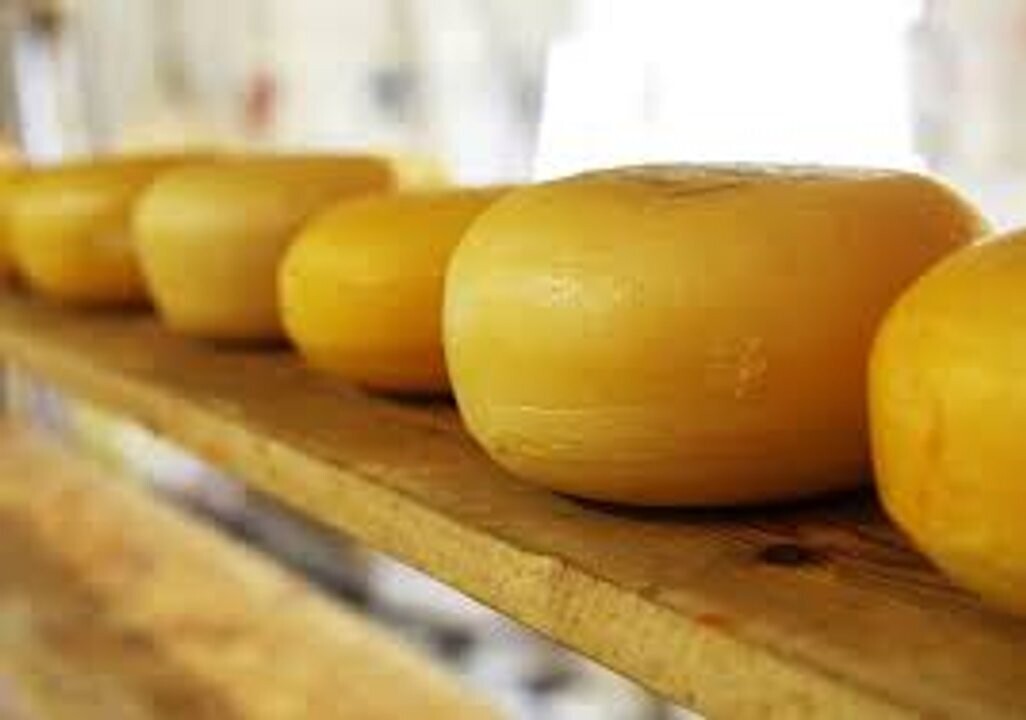
The Secretariat of Agriculture, Livestock and Fisheries published in the Official Gazette the application for registration of the Geographical Indication (GI) "Tafí del Valle Cheese". The objective of this measure is to promote, defend, and protect the cheesemaking activity and the production system of that area in Tucumán. This recognition seeks to differentiate products with unique characteristics linked to their area of production, protect local producers, and enhance regional production traditions. The application was published on February 3 in Buenos Aires, as reported by the Argentine News Agency (NA). The registration request for the GI "Tafí del Valle Cheese" is framed within the provisions of Law 25.380 and its amendment Law 25.966, which regulate designations of origin and geographical indications for agricultural and food products. According to Article 19 of this regulation, any natural or legal person that proves a legitimate interest and believes that any of the established requirements was not properly met may file an opposition to the registration. Presentations must be made in writing and substantiated before the Competent Authority within 30 days from the publication, to the email address dorigen@magyp.gob.ar. The delimited geographical area includes the locality of Tafí del Valle and the El Mollar Commune, in the province of Tucumán. This delimitation responds to a particular microclimate, typical of a piedmont area at the foot of the Sierra de San Javier, with a temperate highland climate, humid summers, and dry winters. According to the considerations of the norm, these agroecological conditions decisively influence the characteristics of the cheeses produced. All producers located in the defined area who comply with the established quality protocol will be able to access the recognition. The cheese has a compact, eye-free texture, and a white-yellowish color. In the case of flavored cheeses, the paste may acquire a slight coloration similar to that of the condiment used. The cheese must have a minimum maturation period of 30 days and has a firm texture, between semi-hard and hard. It is presented in cylindrical molds of between half a kilo and three kilograms, with flat faces and a natural rind.